The Most Common Mistakes People Make When Building a Garden Bed (And How to Avoid Them)
Creating a garden bed is one of the best investments you can make for healthy plants and reliable harvests. It looks simple—frame the area, add soil, and start planting—but many gardeners unknowingly make small mistakes that lead to weak growth, poor drainage, pests, or disappointing yields.
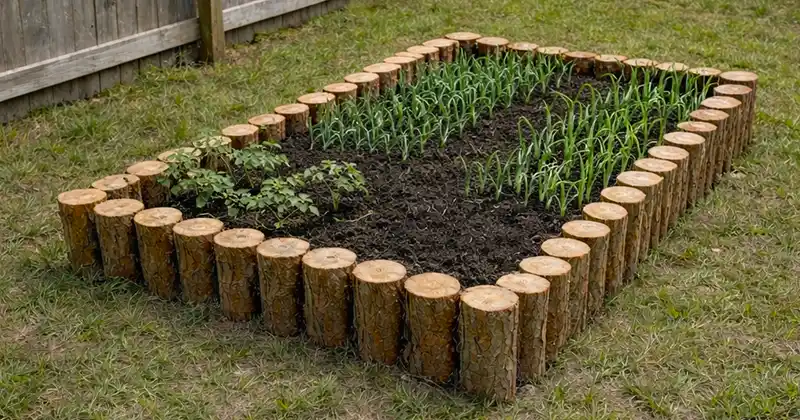
Whether you are building a raised bed, in‑ground bed, or a hybrid design, avoiding the following mistakes can save you time, money, and frustration.
Below are the most common garden bed building mistakes, explained clearly and practically.
1. Choosing the Wrong Location
A garden bed placed in the wrong spot will struggle no matter how good the soil is.
Common problems:
- Too much shade
- Poor air circulation
- Water pooling after rain
- Close to large trees or shrubs that steal nutrients
Better approach: Choose a location that receives at least 6–8 hours of direct sunlight, has good airflow, and is not in a low spot where water collects.
2. Ignoring Drainage
Poor drainage suffocates roots and encourages rot and fungal diseases.
Mistakes include:
- Building directly on compacted clay
- Sealing the bottom of raised beds
- Using soil that stays muddy
Better approach:
- Loosen the ground under the bed
- Never block drainage holes
- Mix soil with compost and coarse material to improve structure
3. Using Low‑Quality Soil or Only Garden Dirt
Many people fill their beds with soil taken directly from the yard, which is often compacted and low in organic matter.
Why this fails:
- Poor root development
- Low nutrient availability
- Hard surface crusting
Better approach: Use a balanced mix of:
- Garden soil
- Mature compost
- Light organic material for structure
This creates loose, breathable soil that holds moisture without becoming heavy.
4. Making the Bed Too Wide
A bed that is too wide forces you to step on the soil to reach the middle.
Why this is harmful:
- Soil becomes compacted
- Roots struggle to grow
- Water and air movement decrease
Better approach: Limit width to:
- 90–120 cm (3–4 ft) if accessible from both sides
- 60 cm (2 ft) if against a wall or fence
5. Making the Bed Too Shallow
Shallow beds restrict root growth and dry out faster.
Common mistake: Building beds under 15 cm (6 inches) deep.
Better approach: Aim for at least:
- 20–30 cm (8–12 inches) for vegetables
- Deeper for root crops
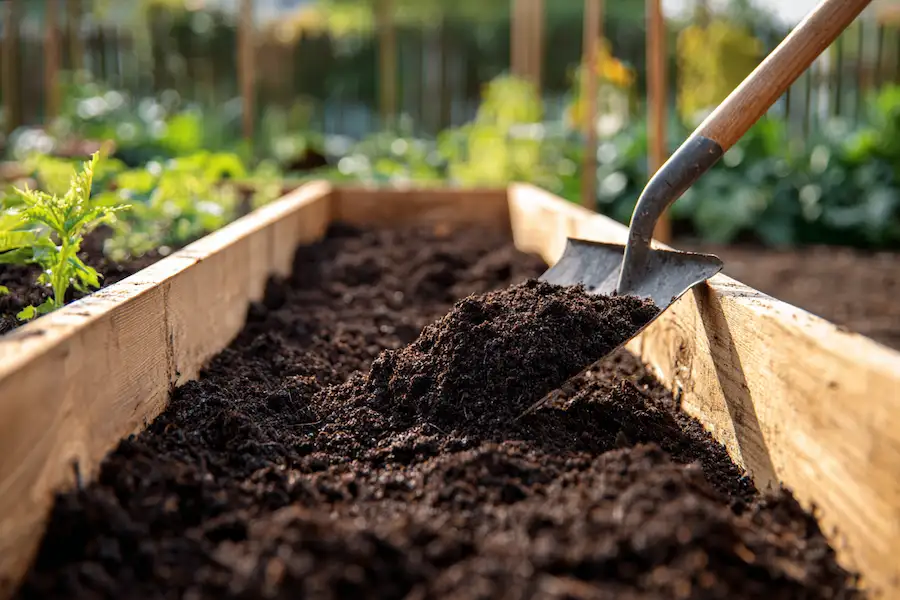
6. Forgetting About Pathways
Crowded beds without paths lead to trampling soil and damaged plants.
Better approach: Plan clear walkways before building:
- Comfortable width
- Stable surface
- Easy access for watering and harvesting
7. Using Untreated or Unsafe Wood
Some materials release harmful chemicals into the soil.
Avoid:
- Old painted wood
- Railroad ties
- Wood treated with heavy chemicals
Better approach: Use:
- Naturally durable wood
- Heat‑treated lumber
- Stone, brick, or metal
8. Overfilling the Bed
Soil settles significantly after watering.
Mistake: Filling the bed to the top edge.
Result:
- Soil spills out
- Nutrients wash away
Better approach: Leave 3–5 cm (1–2 inches) of space at the top.
9. Not Leveling the Bed
Uneven beds cause uneven watering and erosion.
Better approach: Take time to level the base so water spreads evenly across the surface.
10. Skipping Weed Protection at the Bottom
Weeds quickly invade from below if nothing blocks them.
Better approach: Place at the base:
- Cardboard
- Thick newspaper
- Breathable fabric
This suppresses weeds while allowing water to pass.
11. Planting Immediately Without Letting Soil Settle
Freshly built beds shift after the first few waterings.
Problem: Roots become exposed or buried too deep.
Better approach: Water thoroughly and wait 24–48 hours before planting.
12. Ignoring Future Maintenance
Some beds look great at first but are difficult to care for long‑term.
Common oversights:
- No space to add compost
- Poor access for tools
- No plan for crop rotation
Better approach: Design with maintenance in mind from the start.
13. Overcomplicating the Design
Complex designs often create problems.
Simple beds:
- Drain better
- Warm faster
- Are easier to repair
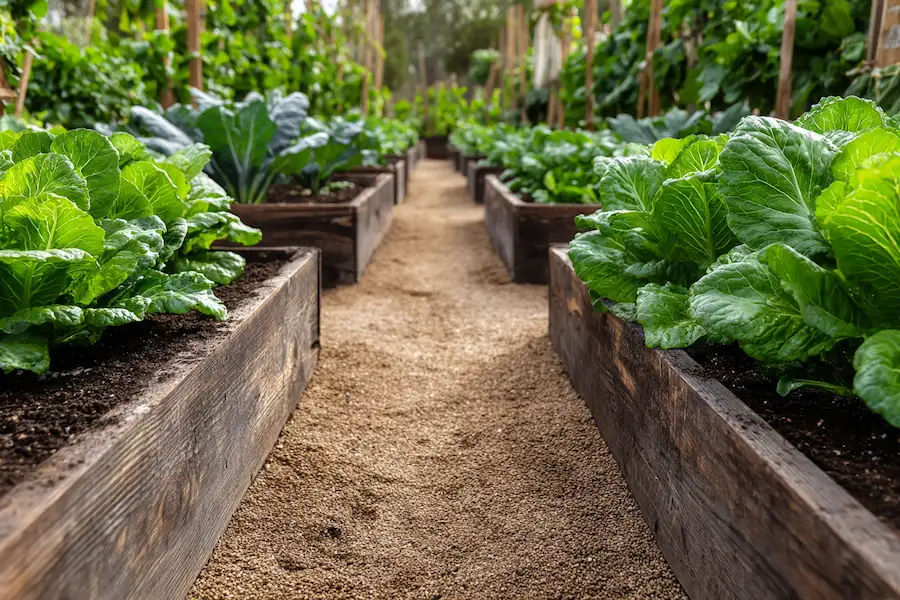
A well‑built garden bed becomes better every year. A poorly built one becomes a constant source of problems.
By avoiding these common mistakes, you create:
- Healthier soil
- Stronger plants
- Easier maintenance
- Better harvests
Take your time during construction—your garden will reward you for years to come.