How to Make and Use Homemade Bone Meal for Your Garden
Every time you cook chicken, ribs, or a roast, you likely throw the leftover bones into the trash. However, those leftover bones are packed with nutrients that can transform your garden. Instead of sending them to the landfill, you can turn them into homemade bone meal.
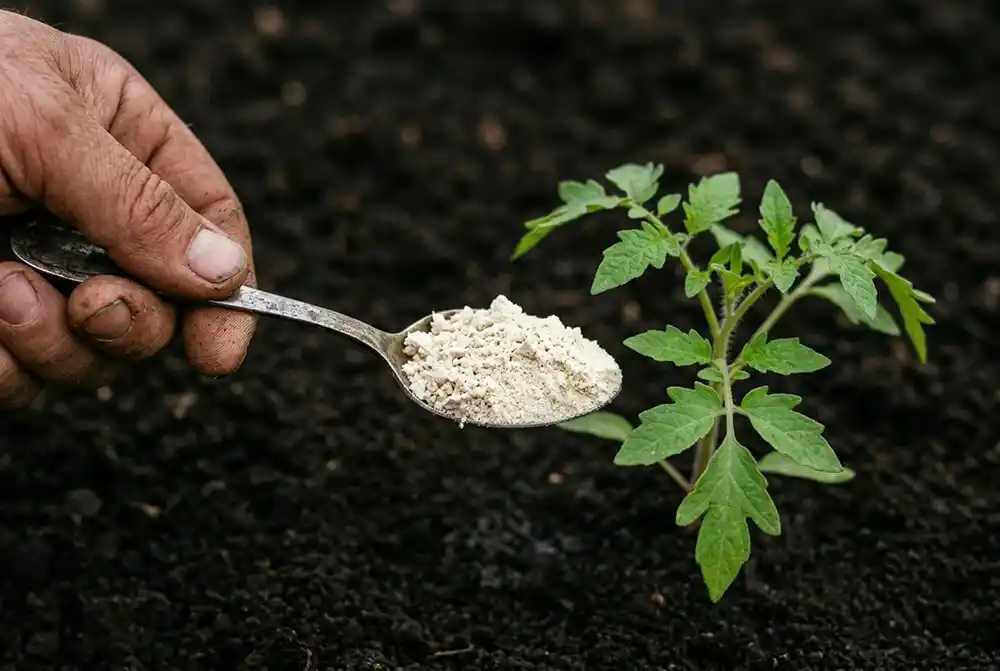
Bone meal is exactly what it sounds like: animal bones that have been cleaned, dried, and crushed into a fine powder. For organic gardeners, it is one of the best natural fertilizers available. Making it at home saves money, reduces kitchen waste, and gives your plants a massive boost without the use of synthetic chemicals. This guide will show you exactly why this powder is so powerful, which plants need it the most, and how you can easily make it in your own kitchen.
Why Bone Meal is Good for Your Garden
Plants need different types of nutrients to grow. While nitrogen helps them grow green leaves, the nutrients found in bone meal focus on the parts of the plant you cannot always see. The two main ingredients in bone meal are phosphorus and calcium.
Here is exactly what these nutrients do for your garden:
- Builds Strong Roots: Phosphorus is the main nutrient responsible for root growth. A plant with a deep, strong root system can find more water in the dirt and survive hot, dry weather much better than a plant with shallow roots.
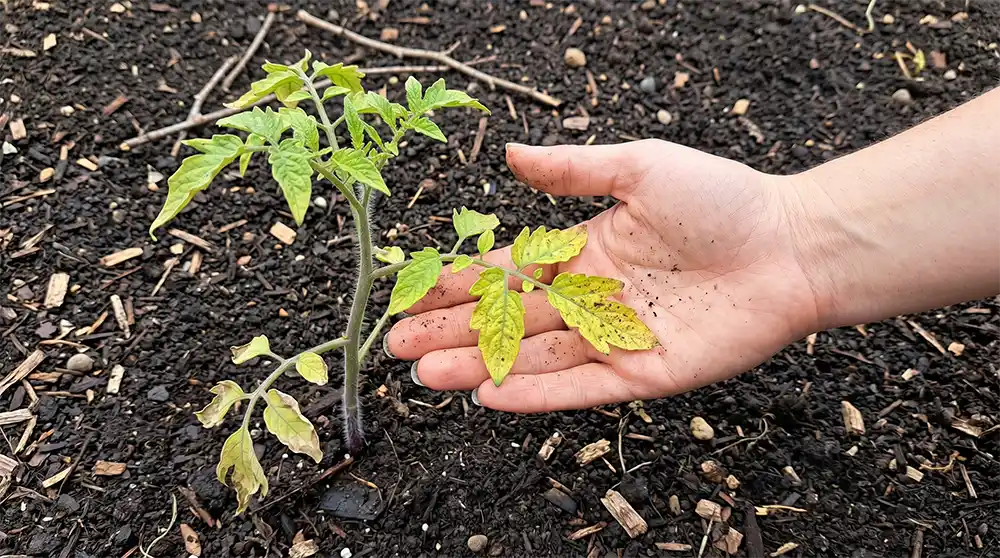
- Produces More Flowers and Fruit: If your plants are huge and green but have no flowers or vegetables, they likely lack phosphorus. Bone meal triggers the plant to shift its energy away from growing leaves and start blooming and producing fruit.
- Prevents Vegetable Diseases: Calcium helps build the structural cell walls of the plant. A steady supply of calcium prevents common problems like blossom end rot, which is the frustrating black, sunken spot that ruins the bottom of tomatoes and peppers.
- Slow Release of Food: Unlike chemical fertilizers that wash away quickly in the rain, bone meal breaks down slowly in the soil. It feeds your plants a little bit at a time over several months, meaning you do not have to fertilize as often.
- Improves Soil Health: Adding organic matter like bone meal encourages earthworms and helpful soil bacteria to live in your garden. These organisms break down the bone meal and make the dirt softer and richer over time.
Which Plants Benefit the Most?
Not every plant needs bone meal. Plants that only grow leaves, like lettuce, spinach, cabbage, or lawn grass, do not need high amounts of phosphorus. However, plants that grow beneath the ground or produce heavy fruits will thrive with a bone meal boost.
Use your homemade bone meal on these types of plants:
- Root Vegetables: Carrots, radishes, onions, garlic, and turnips need phosphorus to grow large, thick roots underground.
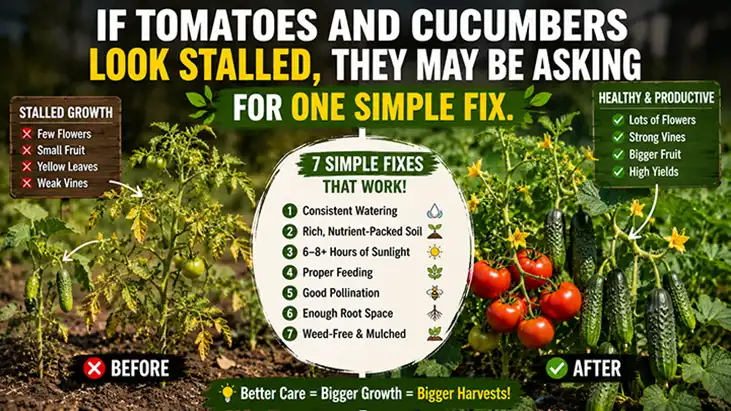
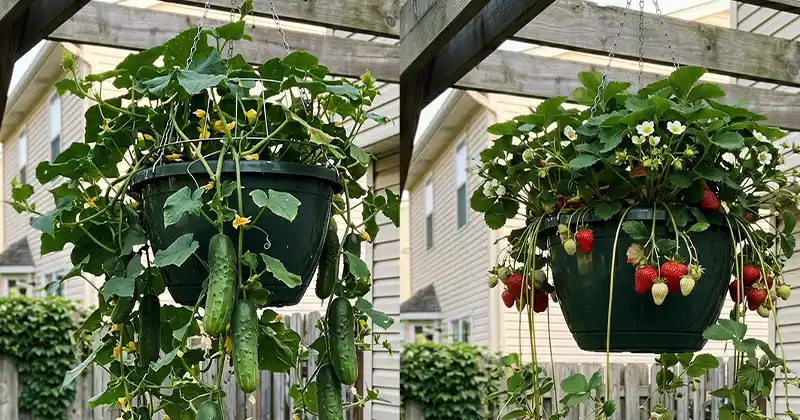
- Fruiting Vegetables: Tomatoes, peppers, eggplants, squash, and cucumbers rely on both the phosphorus for heavy blooming and the calcium to prevent their fruits from rotting on the vine.
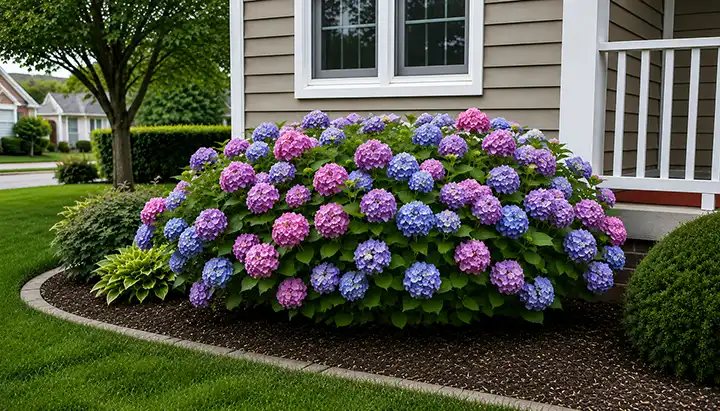
- Flowering Bushes: Roses are famous for loving bone meal. Adding it to the soil helps them produce larger, more colorful, and more abundant flowers throughout the season.
- Flowering Bulbs: Tulips, daffodils, and lilies benefit greatly when bone meal is added directly to the hole at the time of planting the bulb in the fall.
- Fruit Trees: Apple, peach, and citrus trees use the slow-release nutrients to support thick, heavy branches full of fruit year after year.
How to Make Homemade Bone Meal
Making bone meal at home requires some time, but the process is very simple. Chicken bones are the absolute easiest to use because they are thin and easy to break. Turkey, pork, and beef bones also work, but thicker bones require much more physical effort to crush.
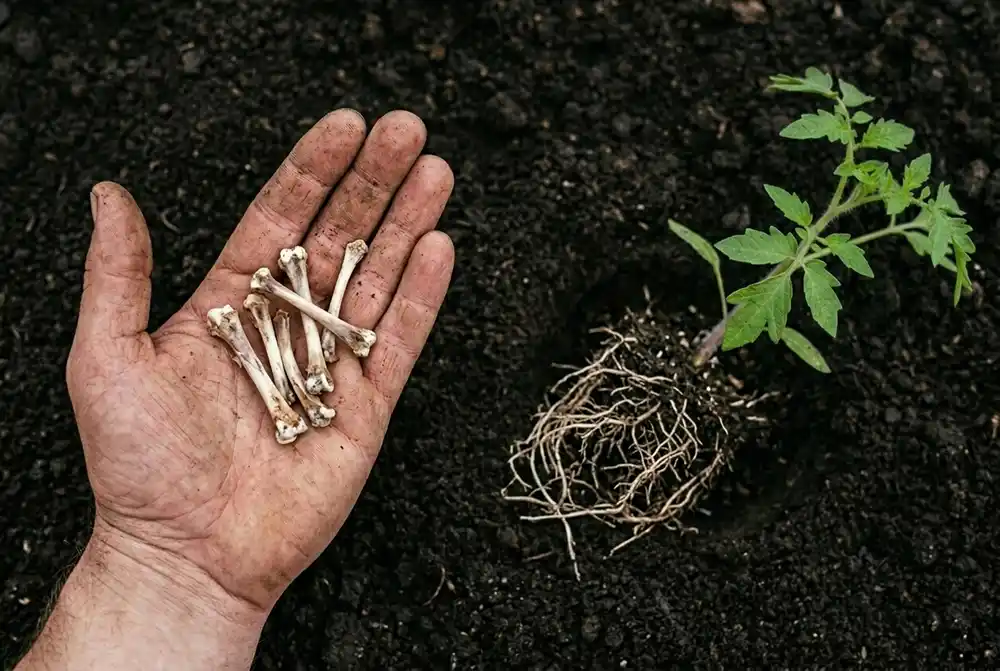
Follow these exact steps to turn your leftover kitchen bones into garden fertilizer:
- Save and Store Bones: Keep a dedicated container or heavy bag in your freezer. Every time you have leftover bones from cooking, drop them in. Wait until you have a large batch saved up before starting the process to make it worth your time.
- Clean the Bones Completely: You must remove all meat, fat, cartilage, and marrow from the bones. If you leave meat on the bones, your finished bone meal will smell bad and attract pests like rats and raccoons to your garden.
- Boil the Bones: Place the saved bones in a large pot of water on the stove. Boil them at a rolling bubble for at least two to three hours. This long boiling process melts away any hidden fat and loosens the stubborn pieces of remaining meat.
- Scrape and Rinse: Remove the bones from the boiling water and let them cool enough to handle. Use a dull knife to scrape off any bits of meat or tissue that are still attached. Rinse them thoroughly under warm water until they are perfectly clean and bare.
- Bake the Bones: Place the clean bones spread out on a metal baking sheet. Bake them in your oven at 400 degrees Fahrenheit (200 degrees Celsius) for about one to two hours. You want the bones to become completely dry, brittle, and slightly brown. Baking is the secret step that makes the bones fragile enough to crush.
- Cool and Break: Take the bones out of the oven and let them cool completely. Once cool, they should snap easily in your hands. Break them all into smaller, bite-sized pieces.
- Crush into Powder: Put the broken bone pieces into a thick canvas bag or wrap them securely in an old, heavy towel. Hit them forcefully with a hammer or a heavy wooden rolling pin until they are crushed into tiny pieces. For a finer powder, you can run these small crushed pieces through an old coffee grinder or a heavy-duty blender.
- Store Properly: Keep your finished bone meal powder in an airtight glass jar or plastic container in a cool, dry place until you are ready to use it in the garden.
How to Use Bone Meal in the Garden
Because bone meal is a slow-release fertilizer, the timing and method of application are important. The powder needs to actually touch the soil and the roots to start breaking down effectively.
Here are the best ways to apply it:
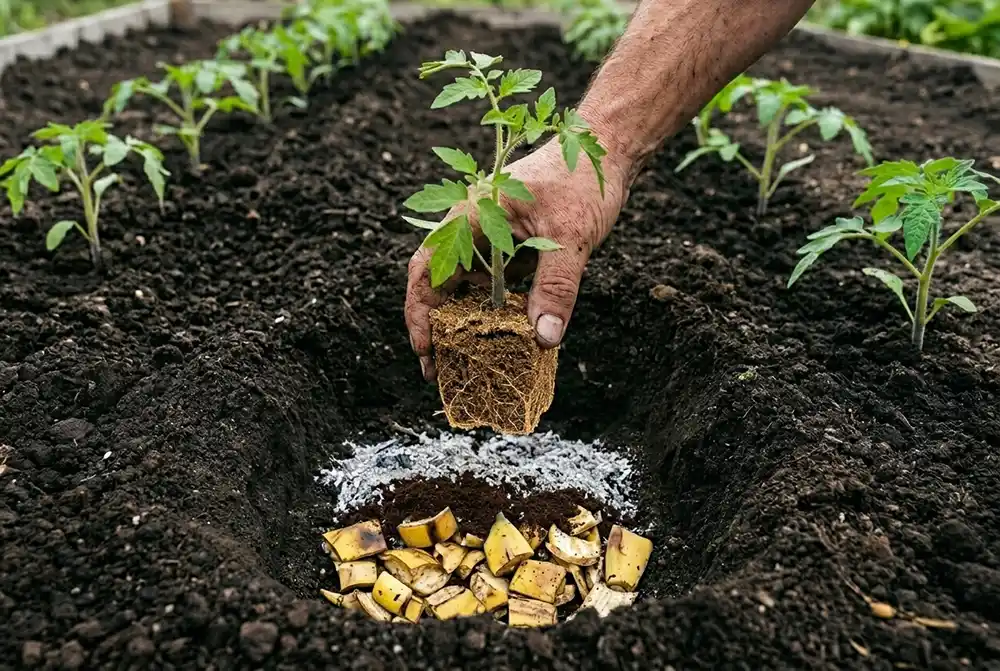
- Mixing at Planting Time: When you are planting seeds, bulbs, or small starter plants in the spring, dig your hole first. Sprinkle one or two tablespoons of bone meal directly into the bottom of the empty hole. Mix it slightly with the dirt before placing the plant inside. This puts the phosphorus right exactly where the roots will reach for it.
- Feeding Established Plants: For plants that are already growing in the ground, use a method called side-dressing. Sprinkle two to three tablespoons of bone meal in a wide circle around the base of the plant. Use a small hand rake to scratch the powder into the top inch of the dirt. Water the area well so the powder settles deeply into the soil.
- Adding to Compost: If you do not want to apply it directly to your plants, you can throw your homemade bone meal into your backyard compost bin. It will break down with your other kitchen scraps and add rich minerals to your finished compost dirt.
Important Safety Tips When Using Bone Meal
While it is a completely natural product, there are two important safety rules to remember when making and using bone meal.
- Wear a Mask When Crushing: When you pound the baked bones with a hammer, a fine white dust will fill the air. Breathing in bone dust can irritate your lungs and throat. Always wear a basic paper dust mask and work in a well-ventilated area, like an open garage or outdoors, when doing the final crushing step.
- Watch for Pets and Wildlife: Even after boiling and baking, bone meal still smells slightly like animal protein to animals with strong noses. Dogs, foxes, raccoons, and cats might try to dig up your garden beds if they smell it sitting on top of the soil. Always make sure you mix the bone meal completely under the soil surface. Never leave the powder exposed on top of the dirt.
By taking the time to process your leftover kitchen bones, you can create a free, incredibly powerful fertilizer that builds better soil and helps your garden plants grow to their absolute full potential.