10 Natural Liquid Boosts for Your Home Garden
Growing food at home does not require expensive, synthetic chemicals. In fact, the most powerful fertilizers and disease preventatives can be made right in your kitchen or backyard. By matching the specific nutritional needs of common food plants with homemade liquid solutions, you can grow healthier, more productive crops. Here is a guide to ten liquids your plants will actually love, how to make them, and how to use them.
1. Tomatoes love eggshell water
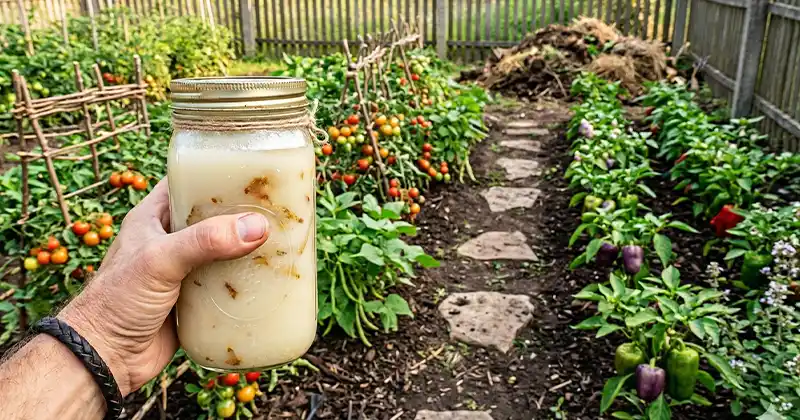
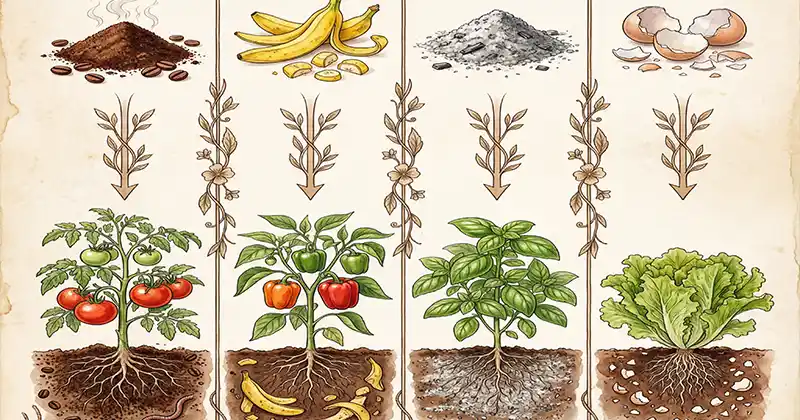
Tomatoes often suffer from a condition where the bottoms of the fruit turn black and rot. This is caused by a lack of calcium in the plant. Eggshells are pure calcium. How to make it: Crush the dry eggshells from half a dozen eggs. Boil them in a gallon of water for twenty minutes, then let the pot sit overnight. For an extra boost, add a spoonful of white vinegar to the water to help fully dissolve the calcium. How to use it: Pour a cup of this strained water directly onto the soil at the base of your tomato plants once a month.
2. Bell peppers love Epsom salt water
Peppers need magnesium to keep their leaves dark green and to produce heavy clusters of flowers. Epsom salt is naturally rich in pure magnesium. How to make it: Dissolve one tablespoon of unscented Epsom salt in one gallon of water. How to use it: Spray it directly onto the leaves early in the morning, or pour it around the base of the plant once every two weeks after the plant begins to bloom.
3. Cucumbers love liquid kelp water
Cucumbers grow incredibly fast and require dozens of trace minerals to support their heavy, creeping vines. Kelp, a type of seaweed, is packed with these essential micronutrients. How to make it: Mix one to two tablespoons of liquid kelp extract into a gallon of water. How to use it: Water the soil around the base of the cucumber plants every two to three weeks throughout the growing season to keep the vines strong.
4. Zucchini loves diluted milk water
Zucchini leaves are highly prone to powdery mildew, a white dusty fungus that eventually kills the plant. Milk contains proteins that, when exposed to direct sunlight, create an environment that destroys this fungus. How to make it: Mix one part plain milk with ten parts water. How to use it: Put the mixture in a spray bottle and heavily mist the top and bottom of the zucchini leaves. Do this on a sunny day once a week to stop mildew before it starts.
5. Green beans love wood ash water
Beans pull their own nitrogen from the air, so they do not need standard nitrogen fertilizers. However, they do need potassium to form strong, healthy bean pods. Wood ash provides a fast dose of natural potassium. How to make it: Stir one cup of cold, clean ash from a natural wood fire into a bucket of water. Let it steep for two days. How to use it: Pour the strained liquid lightly over the soil when the bean plants start to form their tiny white flowers.
6. Lettuce loves stinging nettle water
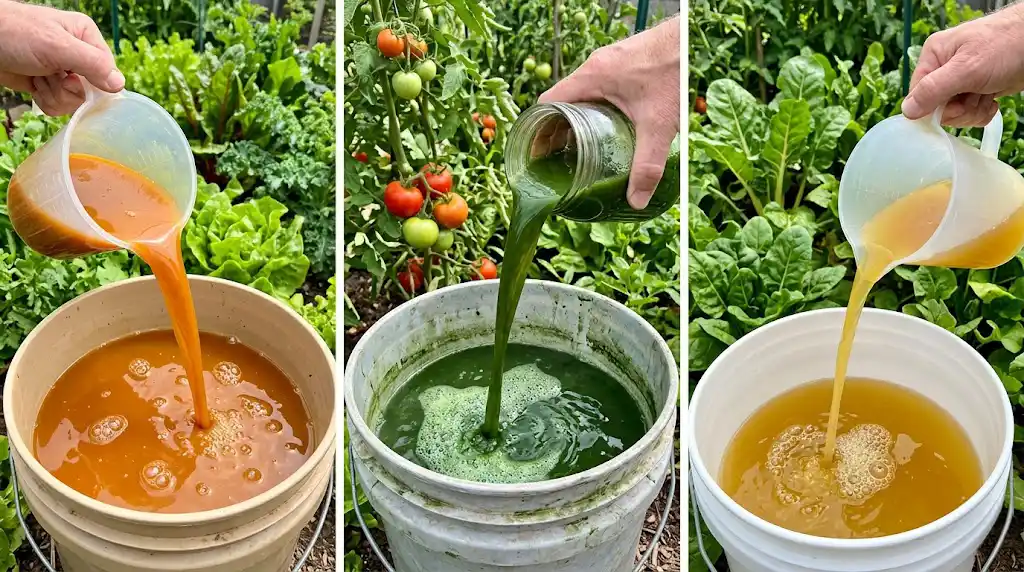
Because you only eat the leafy part of lettuce, the plant requires high amounts of nitrogen. Stinging nettle is a common garden weed that is loaded with natural nitrogen. How to make it: Using thick gloves, pack a bucket halfway with chopped stinging nettles. Fill the rest with water, put a lid on it, and let it rot for two weeks. How to use it: Dilute one part of this strong, dark tea with ten parts fresh water and pour it on the soil to push fast, green leaf growth.
7. Carrots love bone meal water
Carrots need phosphorus to grow long, thick roots deep under the soil. Bone meal is one of the best organic sources of phosphorus available. How to make it: Stir two tablespoons of bone meal powder into a gallon of warm water and let it sit for a few hours. How to use it: Pour the mixture over the carrot bed when the green leafy tops are just a few inches tall. This encourages the roots to dig downward.
8. Radishes love worm tea water
Radishes grow from a tiny seed to a full harvest in just a few weeks. Because they grow so quickly, they need very gentle nutrients that will not burn their roots. How to make it: Put two cups of worm castings (worm compost) into an old cloth sack. Soak it in a bucket of water for a full day, squeezing the bag a few times to release the nutrients. How to use it: Use this mild, nutrient-rich tea to water your radish beds once a week.
9. Onions love fish emulsion water
The final size of an onion bulb depends entirely on how many large, green leaves the plant can grow early in the spring. Fish emulsion provides the heavy nitrogen needed for those big leaves. How to make it: Mix one tablespoon of fish emulsion into a gallon of water. How to use it: Water the soil around your young onion plants every two weeks early in the season. Stop using it once you see the actual onion bulbs starting to swell above the ground.
10. Basil loves coffee ground water
Basil needs to constantly produce new leaves after you pinch it back for cooking. Coffee grounds provide a steady, mild dose of nitrogen and create the slightly acidic soil conditions that basil prefers. How to make it: Soak two cups of used, cool coffee grounds in a bucket of water overnight. How to use it: Use this brown water to drench the soil around your basil plants every few weeks to keep the leaves growing thick and bushy.
By taking a few extra minutes to mix these homemade liquids, you feed your garden exactly what it needs, right when it needs it. Your plants will be healthier, and your food harvests will be larger, all without relying on harsh chemicals.