How to Prevent Flooding in a Walipini (Underground Greenhouse)
One of the most common concerns people have about underground greenhouses is simple and valid:
“Won’t it fill with water?”
Flooding is not an automatic problem—but poor design absolutely can cause it. A properly built walipini can stay dry for decades, even in rainy or cold climates. In fact, underground structures are used safely all over the world for homes, storage, and agriculture.
This article explains exactly what you need to know, what to plan, and what measures to take to keep water out of your walipini—even in difficult climates with heavy rain, snow, or seasonal groundwater.
If you get these steps right, flooding becomes a controllable risk, not an inevitable problem.
Why Walipinis Flood (When They Do)
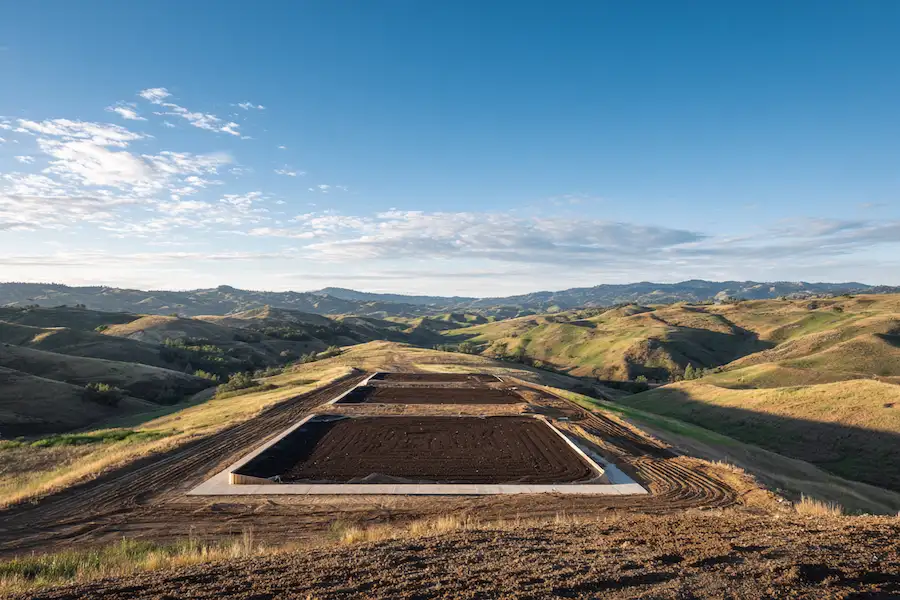
Flooding usually happens for only a few reasons:
- Built in a low-lying area
- High water table
- No drainage system
- Clay soil that holds water
- Poor wall sealing
- No slope or runoff control
The solution is not to avoid walipinis—but to engineer them correctly.
Step 1: Choose the Right Location (Most Important Factor)
Avoid:
- Valleys
- Natural drainage paths
- Bottom of hills
- Areas where water pools after rain
Choose:
- Slightly elevated ground
- Gentle slopes
- South-facing hillsides (Northern Hemisphere)
- Soil that drains well (sandy or loamy preferred)
Simple test:
Dig a hole 60–80 cm deep and fill it with water.
- If it drains within 12–24 hours → good
- If water remains after 24–48 hours → risky location
Step 2: Check the Water Table
If groundwater sits close to the surface, a walipini becomes expensive and risky.
Safe rule:
The bottom of your greenhouse should be at least 1 meter (3 ft) above the highest seasonal water table.
If not:
- Build a shallower walipini
- Raise the floor level
- Or choose another location
Step 3: Build a Serious Drainage System (Non‑Optional)
Drainage is your main defense.
Foundation drainage layer:
- 20–30 cm of gravel across the entire floor
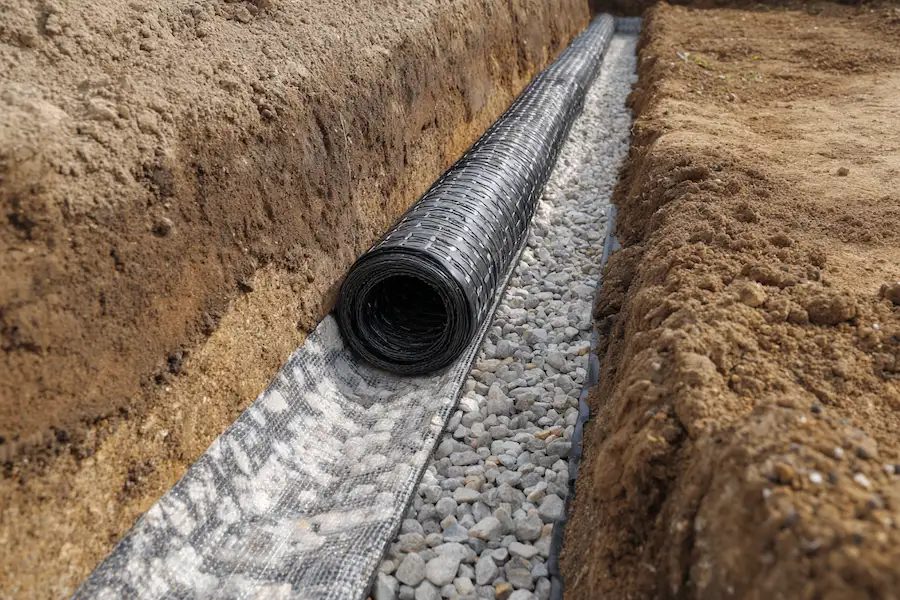
French drain system:
- Perforated pipe around the perimeter
- Wrapped in geotextile fabric
- Sloped 1–2% toward an exit point
- Discharged downhill, away from the structure
This system intercepts water before it enters your greenhouse.
Step 4: Use Proper Wall Construction
Your walls should resist both soil pressure and moisture.
Best options:
- Concrete blocks + waterproof coating
- Poured concrete
- Earthbags with exterior waterproof membrane
Avoid:
- Bare wood underground
- Unsealed brick
- Thin retaining walls
Add:
- Bitumen waterproofing
- Heavy plastic membrane
- Drainage board against exterior walls
Step 5: Control Surface Water (Rain & Snow)
Most flooding comes from surface runoff, not groundwater.
Essential measures:
- Slope soil away from greenhouse
- Build small earth berms uphill
- Install roof gutters
- Direct downspouts far from structure
- Create gravel trenches to redirect rainwater
Never allow water to flow toward your walipini.
Step 6: Raise the Floor Inside
Instead of planting directly on the deepest point:
- Add 30–50 cm of gravel
- Then soil beds above that
This creates a safety buffer even if minor water enters.
Step 7: Use a Slightly Elevated Entrance
Your door should be:
- Above outside ground level
- With a small threshold or step
This prevents rainwater from flowing inside.
Step 8: Roof Design Matters
Your roof must:
- Extend beyond walls
- Have gutters
- Be sealed tightly
- Be angled properly
Dripping roof edges cause slow flooding over time.
Extra Measures for Harsh or Wet Climates
If you live in:
- Heavy rainfall zones
- Snowy regions
- Clay soil areas
- Coastal climates
Add these upgrades:
- Double drainage pipes
- Deeper gravel base
- Waterproof concrete floor slab
- External drainage trench
- Sump pit with manual or solar pump
These turn a walipini into a professional-grade structure.
Can You Build a Walipini in Hard Climates?
Yes—if designed correctly.
Walipinis function successfully in:
- Canada
- Scandinavia
- Mountain regions
- High rainfall zones
- Cold continental climates
The difference is engineering, not climate.
Common Myths About Walipini Flooding
❌ “They always flood”
False. Only poorly designed ones do.
❌ “Underground means underwater”
False. Proper drainage keeps structures dry.
❌ “They only work in deserts”
False. They work worldwide with correct planning.
Simple Checklist Before You Build
✔ Elevated location ✔ Low water table ✔ Gravel foundation ✔ French drain installed ✔ Waterproofed walls ✔ Surface runoff diverted ✔ Raised entrance ✔ Roof gutters
If all are checked → flooding risk becomes minimal.
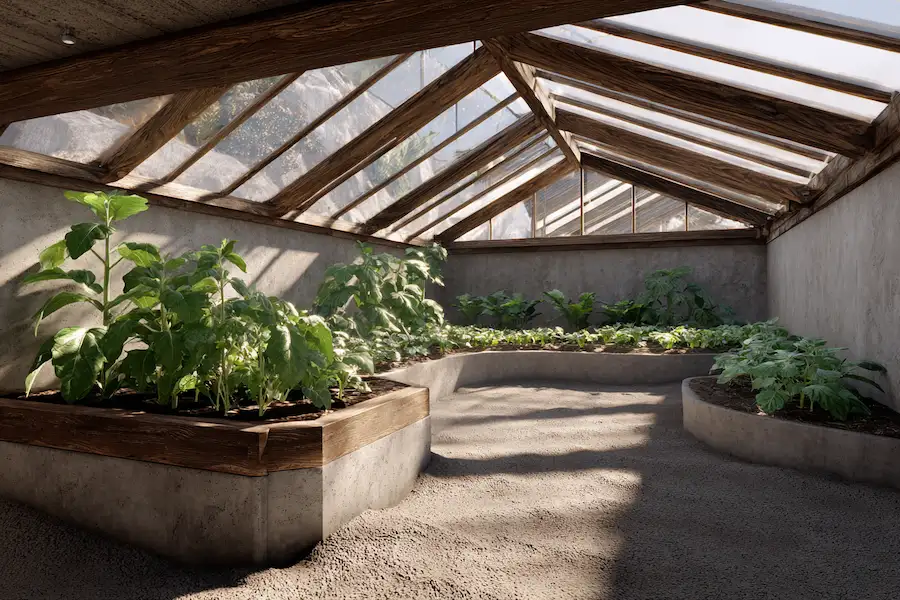
A walipini is not just a hole in the ground—it is an engineered growing system.
When water management is planned from the beginning, underground greenhouses become:
- Dry
- Durable
- Long-lasting
- Reliable
Ignoring drainage leads to failure. Designing for water leads to decades of food production.
With the right precautions, even difficult climates can support safe, dry, and productive underground greenhouses.
Disclaimer: Always consult local soil data, groundwater information, and building regulations before construction. Improper underground structures can be dangerous if not engineered correctly.