Pollination in a Walipini (Underground Greenhouse): How to Make It Work
One of the few real challenges of growing food in a walipini (underground greenhouse) is pollination.
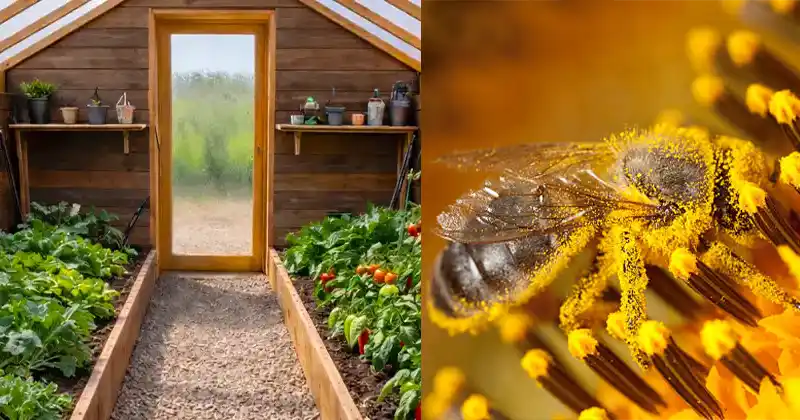
Unlike open gardens or regular greenhouses, walipinis are partially buried, more enclosed, and designed to retain heat. This is excellent for temperature control—but it can unintentionally block natural pollinators like bees, butterflies, and other beneficial insects.
Without proper pollination:
- Flowers fall off
- Fruits remain small or deformed
- Yields drop dramatically
The good news is that this problem is completely solvable.
In this article, you’ll learn:
- Why pollination is difficult in walipinis
- How to design easy access for bees
- How to pollinate by hand
- Alternative pollination methods
- Which crops work best underground
With the right setup, your walipini can be just as productive as any outdoor garden.
Why Pollination Is Hard in a Walipini
Several factors reduce natural pollination:
- Fewer entrances for insects
- Cooler interior temperatures during some seasons
- Lower light levels compared to outdoor gardens
- Limited airflow
- Physical barriers like doors and plastic roofing
Most fruiting plants rely on insect movement to transfer pollen between flowers. Without that movement, flowers stay sterile.
Method 1: Designing Bee-Friendly Access (Best Long-Term Solution)
Allowing pollinators to enter naturally is the most sustainable approach.
1. Install Pollinator Windows
Create small opening windows near the roof or upper walls:
- Size: 20–40 cm wide
- Covered with insect mesh (removable)
- Hinged or sliding
Open them during the day and close at night or in cold weather.
2. Build a “Bee Tunnel” Entrance
A bee tunnel is a narrow, transparent tube or corridor that connects outside to inside.
Design tips:
- Use clear polycarbonate or plastic pipe
- Diameter: 8–12 cm
- Slight upward angle to prevent rain entry
- Ends protected with mesh gates
Bees quickly learn this route.
3. Use Double-Door Airlock Entry
Instead of one door:
- Build a small entry chamber
- Outer door + inner door
This reduces heat loss while allowing insects to enter when one door is open.
4. Plant Flowers Near the Entrance
Attract pollinators naturally:
- Lavender
- Borage
- Calendula
- Sunflowers
- Wildflowers
Place them directly outside walipini openings.
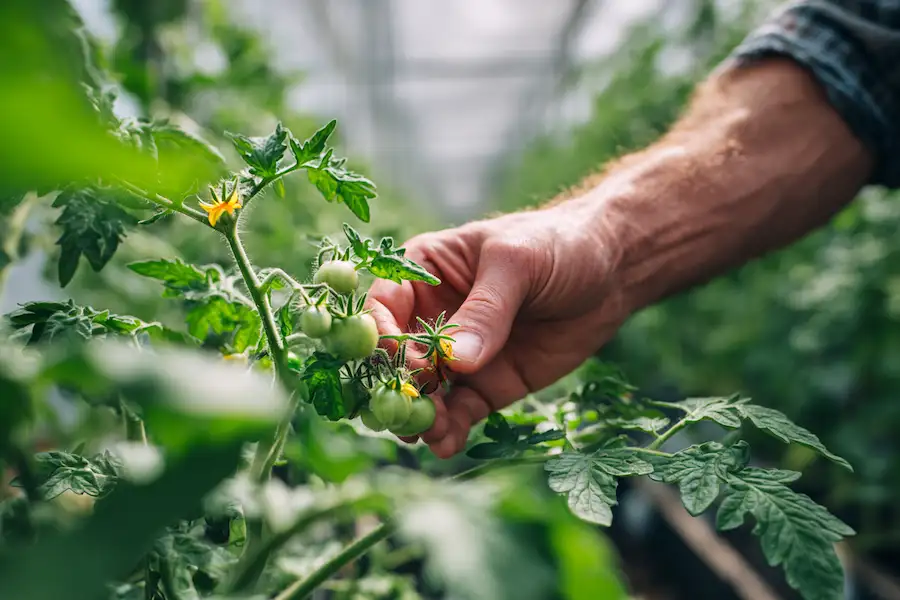
Method 2: Manual Pollination (Simple and Reliable)
If insects are limited, hand pollination works extremely well.
Tools:
- Small paintbrush
- Cotton swab
- Soft feather
How to do it:
- Touch pollen from male flower
- Transfer to female flower
- Repeat every 1–2 days during flowering
Best for:
- Tomatoes
- Peppers
- Eggplants
- Cucumbers
- Squash
- Strawberries
Takes 5–10 minutes per day for small setups.
Method 3: Vibration Pollination (Tomatoes & Peppers)
Some plants release pollen when vibrated.
Options:
- Gently shake plants
- Tap flower clusters
- Use electric toothbrush near flowers
Very effective for tomatoes.
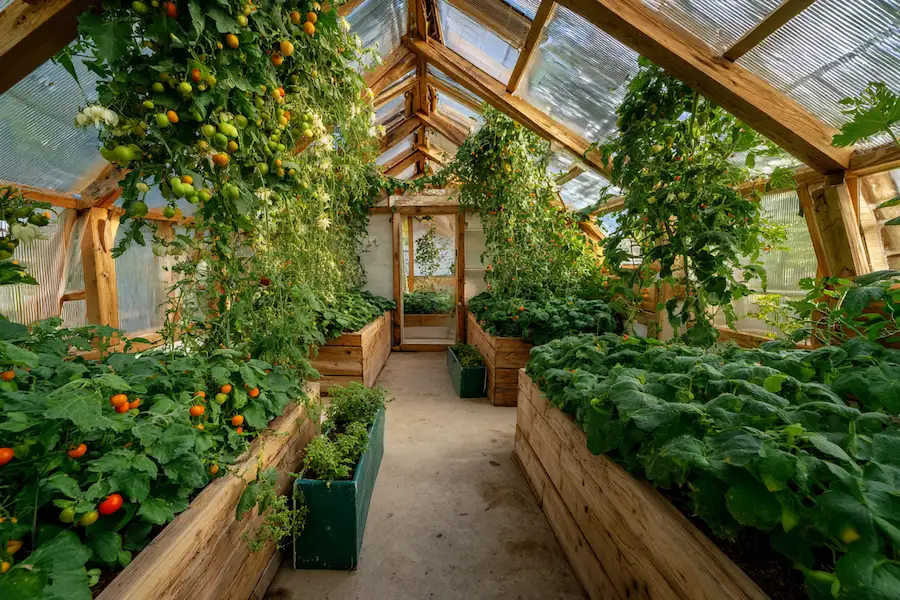
Method 4: Introducing Beneficial Insects (Advanced)
You can purchase:
- Bumblebees
- Solitary bees
Used in commercial greenhouses.
Requirements:
- Ventilation
- Exit access
- Water source
- No pesticides
Not necessary for small gardens but effective for large walipinis.
Method 5: Improve Airflow (Helps Passive Pollination)
Good airflow moves pollen naturally.
Improve by:
- Roof vents
- Low intake vents
- Small solar fan
- Strategic vent placement
This also prevents mold and humidity issues.
Best Plants for a Walipini (By Pollination Needs)
Easiest (No Pollination Needed or Self-Pollinating)
- Lettuce
- Spinach
- Kale
- Swiss chard
- Arugula
- Mustard greens
- Green onions
- Garlic
- Herbs (basil, parsley, mint, cilantro)
- Microgreens
These thrive year-round underground.
Moderate (Self-Pollinating or Easy to Assist)
- Tomatoes
- Peppers
- Eggplants
- Beans
- Peas
- Strawberries
Great yields with minimal hand pollination.
Harder (Require Active Pollination)
- Cucumbers
- Zucchini
- Squash
- Melons
- Pumpkins
These require bees or manual pollination.
Lighting Matters for Pollination
Plants need strong light to produce fertile pollen.
Tips:
- Keep roof clean
- Use reflective wall surfaces
- Add LED grow lights in winter
Poor light = weak flowers.
Temperature & Humidity Control
Ideal pollination conditions:
- Temperature: 18–28°C (65–82°F)
- Humidity: 50–70%
Too much humidity makes pollen sticky.
Too dry kills pollen viability.
Common Mistakes
- Completely sealed greenhouse
- No insect access
- High humidity
- No airflow
- Growing only pollinator-dependent crops
Simple Pollination Plan for Beginners
- Install 1–2 insect windows
- Plant flowers outside
- Use hand pollination for fruiting crops
- Grow mostly leafy greens in winter
- Add ventilation
Pollination is not a flaw of walipinis—it is simply a design factor.
With proper access points, airflow, and simple human assistance, underground greenhouses can produce:
- Tomatoes
- Peppers
- Cucumbers
- Berries
- And year-round greens
Many commercial greenhouses operate in fully enclosed environments using the same techniques.
Once solved, pollination becomes routine—and your walipini becomes a true all-season food system.
Disclaimer: Introducing insects or structural modifications should be planned carefully to avoid temperature loss or pest problems. Always adapt designs to local climate and building conditions.