Don’t Ignore Your Hydrangeas in August: 5 Essential Tasks for Bigger Blooms Next Year
By August, many gardeners think the hard work is over.
The spectacular blooms are fading, summer is beginning to wind down, and it’s tempting to leave hydrangeas alone until spring.
But here’s the truth:
August is one of the most important months for next year’s flowers.
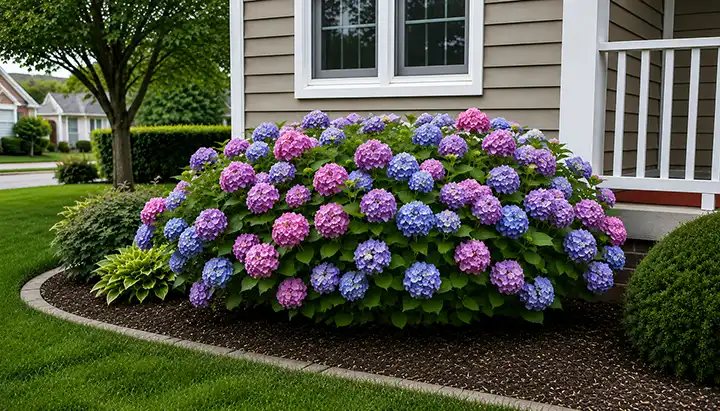
Many hydrangea varieties begin preparing for the following blooming season while summer is still in full swing. The care you give them now can determine whether your shrubs produce a handful of blooms—or become covered in flowers next year.
Here are the five most important things to do with your hydrangeas in August.
1. Water Deeply During Hot, Dry Weather
Hydrangeas have large leaves and flower heads that lose a surprising amount of moisture during hot summer days.
Even though flowering may be slowing down, the plant is still actively photosynthesizing and storing energy for next season.
If the soil becomes too dry for extended periods, the shrub experiences stress that can affect next year’s flower buds.
Signs Your Hydrangea Needs Water
- Drooping leaves early in the morning
- Crispy leaf edges
- Smaller or fading blooms
- Dry soil 2 to 3 inches (5 to 8 cm) below the surface
The Best Way to Water
Instead of watering lightly every day, water deeply once or twice a week.
A slow soak encourages roots to grow deeper, making the plant more drought tolerant.
Always water at the base of the shrub rather than wetting the foliage, which can encourage fungal diseases.
Adding a 2 to 3-inch (5 to 8 cm) layer of mulch also helps the soil stay cool and reduces evaporation.
2. Stop Heavy Pruning
This is where many gardeners accidentally ruin next year’s flowers.
By August, many popular hydrangeas—including Bigleaf (Hydrangea macrophylla) and Oakleaf hydrangeas—are already beginning to develop flower buds for next year.
Heavy pruning at this time can remove those developing buds before they ever bloom.
What You Can Remove
It’s perfectly fine to remove:
- Dead branches
- Broken stems
- Diseased wood
- Spent flower heads if desired
What You Should Leave Alone
Avoid cutting back healthy green stems unless you’re absolutely certain your variety blooms on new wood.
When in doubt, wait until after next year’s flowering season before making major cuts.
3. Feed Wisely—or Not at All
August is not the time for heavy feeding.
Applying large amounts of nitrogen fertilizer now encourages tender new growth that may not harden off before autumn arrives.
This soft growth is more vulnerable to early frost damage.
What to Use Instead
If your soil is poor, apply:
- Finished compost
- Leaf mold
- Well-rotted organic matter
If using fertilizer, choose one that is low in nitrogen and higher in phosphorus and potassium to support root health rather than excessive leafy growth.
In many gardens, healthy hydrangeas require little or no fertilizer in late summer.
4. Watch for Pests and Diseases Before Autumn
Hydrangeas often look their worst in late summer.
Leaves may show spots, insects become more active, and humid weather creates ideal conditions for fungal problems.
Catching issues early helps the plant stay healthier as it heads into autumn.
Common Problems to Watch For
- Aphids
- Spider mites
- Japanese beetles
- Powdery mildew
- Cercospora leaf spot
- Slugs and snails
Inspect both the upper and lower sides of leaves every week.
Remove heavily infected leaves and improve air circulation by clearing weeds and avoiding overcrowding.
Always water early in the day so foliage dries quickly.
5. Prepare the Plant for Autumn and Next Year’s Blooms
Although autumn is still weeks away, August is when many hydrangeas quietly begin preparing for the following growing season.
Healthy leaves continue producing sugars that are stored in the roots and stems.
Those energy reserves fuel spring growth and flower production.
Help Your Hydrangea Finish the Season Strong
Continue to:
- Water consistently during drought.
- Leave healthy foliage in place.
- Remove weeds around the base.
- Maintain mulch.
- Avoid unnecessary stress.
The longer healthy leaves remain on the plant, the more energy it stores before winter dormancy.
Bonus Tips for August Success
Deadhead Carefully
Removing faded blooms can improve the shrub’s appearance.
However, avoid cutting too far down the stem if your variety blooms on old wood.
Many gardeners simply remove the flower head above the first pair of healthy leaves.
Check Your Mulch
Summer storms and watering can thin mulch over time.
Maintain a layer about 2 to 3 inches (5 to 8 cm) deep, keeping it a few inches away from the stems to prevent rot.
Mulch helps:
- Retain moisture
- Moderate soil temperature
- Reduce weeds
- Improve soil as it breaks down
Avoid Moving Mature Hydrangeas
August heat places extra stress on shrubs.
Transplanting is much safer in autumn after temperatures cool or in early spring before active growth begins.
Keep the Area Clean
Remove fallen leaves with signs of disease.
This reduces the number of fungal spores that can overwinter and cause problems the following year.
Know Which Hydrangea You Grow
Not all hydrangeas need identical care.
Some bloom on old wood.
Others bloom on new wood.
Some bloom on both.
Knowing your variety helps you make the right pruning and fertilizing decisions throughout the year.
Common August Mistakes
Avoid these common errors:
❌ Cutting the shrub back heavily.
❌ Letting the soil dry out completely.
❌ Applying high-nitrogen fertilizer.
❌ Removing too much healthy foliage.
❌ Ignoring pest problems until autumn.
❌ Watering overhead late in the evening.
Each of these can reduce flowering or weaken the plant before winter.
Looking Ahead to Autumn
As the days become shorter, your hydrangea naturally begins slowing its growth.
Rather than trying to encourage new shoots, focus on helping the existing stems mature and storing as much energy as possible.
Strong roots, healthy leaves, and well-developed flower buds now are the foundation for spectacular blooms next summer.
Final Thoughts
August may seem like a quiet month for hydrangeas, but it’s one of the most important periods of the year.
The decisions you make now—how you water, prune, feed, and protect your plants—have a direct impact on next season’s flowering.
Give your hydrangeas consistent moisture, avoid unnecessary pruning, monitor for pests, maintain healthy soil, and let the plant finish the season naturally.
A little attention in August can reward you with stronger plants and a breathtaking display of blooms when summer returns.