Your Tomatoes and Cucumbers Look Healthy… But They’ve Stopped Growing? Here Are 7 Simple Fixes That Can Get Them Growing Again
Few things are more discouraging than watching tomato and cucumber plants that seem perfectly healthy—but simply stop growing.
The leaves stay green.
The stems look strong.
There are no obvious signs of disease.
Yet week after week, the plants barely get taller, produce few flowers, or refuse to set fruit.
Before assuming the worst, remember this: plants don’t stop growing without a reason. In most cases, they’re responding to conditions that can be corrected.
The good news is that the solution is often much simpler than many gardeners expect.
Let’s start with the most common cause.
The #1 Reason: Inconsistent Watering
If tomatoes and cucumbers could ask for one thing, it would probably be consistent moisture.
Many gardeners alternate between letting the soil become bone dry and then soaking it with large amounts of water. This constant cycle stresses the roots and forces the plant to focus on survival instead of producing new growth.
Tomatoes may stop flowering, drop blossoms, or develop fruit slowly.
Cucumbers often become bitter, misshapen, or produce very few fruits.
Signs This Is the Problem
- Dry soil several inches below the surface
- Wilting during hot afternoons
- Cracked tomatoes
- Slow-growing cucumbers
- Blossom drop
The Fix
Water deeply rather than lightly.
Aim to keep the soil evenly moist, especially during flowering and fruit development.
Adding 2–3 inches (5–8 cm) of organic mulch helps reduce evaporation and keeps soil temperatures more stable.
1. The Soil Has Run Out of Nutrients
Fast-growing vegetables are heavy feeders.
Tomatoes and cucumbers quickly use available nutrients, especially when planted in raised beds or containers.
Without enough nutrition, growth naturally slows.
Common Signs
- Smaller leaves
- Pale foliage
- Thin stems
- Small fruit
- Fewer flowers
What to Do
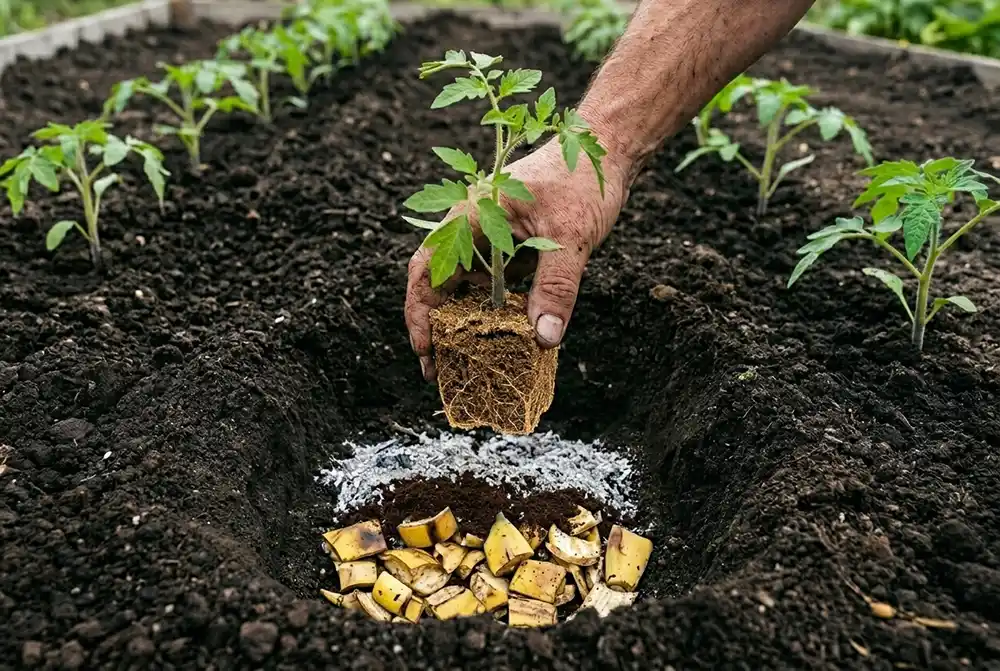
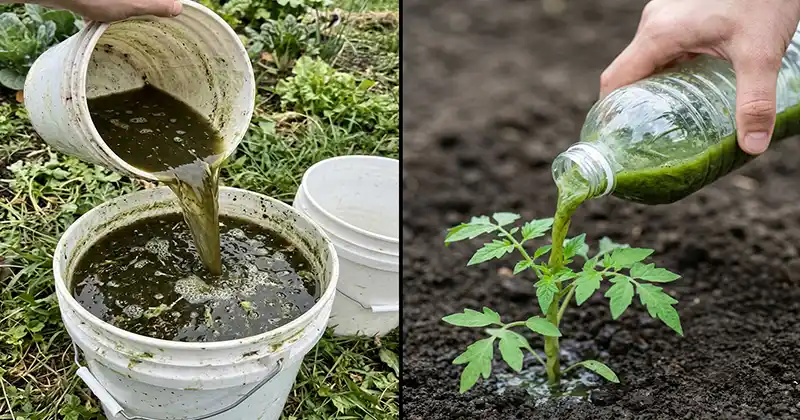
Feed every 2–3 weeks with a balanced vegetable fertilizer or enrich the soil with compost and well-rotted organic matter.
Once flowering begins, choose fertilizers with moderate nitrogen and higher phosphorus and potassium to support fruit production instead of excessive leafy growth.
2. They’re Getting Too Little Sun
Tomatoes and cucumbers are sun-loving plants.
They perform best with at least 6–8 hours of direct sunlight, while 8–10 hours often produces the highest yields.
Even slight shading from trees, fences, or neighboring plants can reduce growth.
Solution
Remove nearby weeds or overgrown plants that block sunlight.
If growing in containers, move them to the sunniest available location.
3. Roots Are Running Out of Room
Healthy roots mean healthy plants.
If roots become crowded in containers or compacted in heavy soil, plants struggle to absorb water and nutrients efficiently.
The result is slow growth despite regular care.
Signs
- Water drains very quickly through pots.
- Plants wilt despite watering.
- Roots circle inside the container.
- Growth slows dramatically.
Fix
For containers:
- Upgrade to larger pots.
- Use fresh, loose potting mix.
For garden beds:
- Loosen compacted soil.
- Add compost to improve structure.
4. High Temperatures Are Causing Stress
Warm weather helps tomatoes and cucumbers grow—but excessive heat can temporarily shut down growth.
When daytime temperatures remain above 90°F (32°C) for extended periods, plants often shift into survival mode.
Tomatoes may stop setting fruit.
Cucumbers may produce fewer female flowers.
How to Help
- Water early in the morning.
- Apply mulch around plants.
- Provide temporary afternoon shade during extreme heat waves.
- Avoid fertilizing during severe heat stress.
Growth usually resumes once temperatures become more moderate.
5. Too Much Nitrogen
Nitrogen is essential—but too much can create impressive-looking plants with disappointing harvests.
Instead of flowers and fruit, plants produce:
- Huge leaves
- Thick stems
- Dense foliage
But very few tomatoes or cucumbers.
Solution
Switch to a fertilizer formulated for vegetables or fruiting plants.
Avoid frequent applications of lawn fertilizer near vegetable beds, as these products are often high in nitrogen.
6. Pollination Problems
Even healthy plants need successful pollination to produce fruit.
Cucumbers especially depend on bees and other pollinators.
Tomatoes are mostly self-pollinating but still benefit from wind or gentle movement that helps release pollen.
Signs
- Flowers appear but quickly fall off.
- Tiny fruits begin forming, then shrivel.
- Few mature fruits develop.
How to Improve Pollination
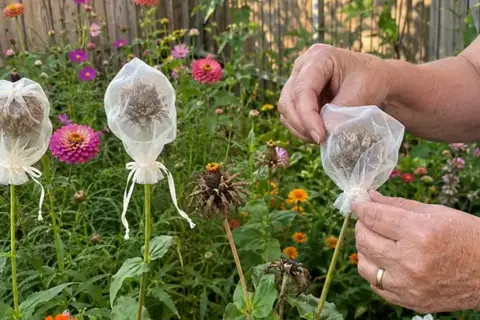
Plant flowers that attract pollinators nearby, such as:
- Marigolds
- Zinnias
- Cosmos
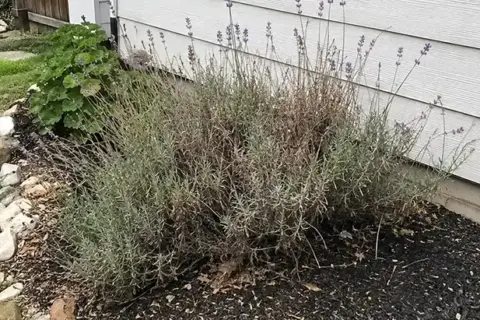
- Lavender
- Bee balm
Avoid spraying insecticides when plants are flowering.
You can also gently shake tomato plants every few days to help distribute pollen.
7. They’re Competing With Weeds
Weeds do far more than make a garden look untidy.
They compete directly for:
- Water
- Nutrients
- Sunlight
- Root space
Young tomato and cucumber plants are especially vulnerable to competition.
The Fix
Keep the area around plants weed-free.
Adding mulch suppresses weed growth while conserving moisture and improving soil health over time.
Bonus Tips for Faster, Healthier Growth
Once you’ve corrected the main issues, these habits can make an even bigger difference.
Water at the Base
Wet leaves increase the risk of fungal diseases.
Instead, water the soil directly around the roots.
Harvest Frequently
Regular harvesting encourages many cucumber varieties to keep producing.
Leaving oversized cucumbers on the vine signals the plant to slow down.
Tomatoes also benefit from consistent picking once ripe.
Support the Plants Properly
Use:
- Tomato cages
- Stakes
- Trellises
- String supports
Keeping vines off the ground improves airflow, reduces disease, and allows plants to focus energy on producing fruit.
Improve the Soil Every Season
Healthy soil is the foundation of a productive vegetable garden.
Adding compost each year improves:
- Water retention
- Drainage
- Beneficial microbes
- Nutrient availability
- Root development
Plants growing in rich, living soil are naturally more resilient.
Watch for Early Signs of Pests
A few insects rarely stop growth entirely, but large populations can.
Inspect plants weekly for:
- Aphids
- Spider mites
- Whiteflies
- Cucumber beetles
- Hornworms
Catching problems early prevents major setbacks.
The Secret to Vigorous Tomato and Cucumber Plants
Most stalled plants don’t need expensive products or complicated treatments.
They simply need the basics done consistently:
✔ Deep, regular watering
✔ Rich, healthy soil
✔ Plenty of sunlight
✔ Balanced nutrition
✔ Good airflow
✔ Reliable pollination
✔ Healthy roots
When those needs are met, tomatoes and cucumbers usually respond quickly with vigorous new growth, more blossoms, and a much larger harvest.
Final Thoughts
If your tomatoes and cucumbers seem stuck, don’t give up on them just yet.
More often than not, they’re trying to tell you something. Whether it’s inconsistent watering, nutrient shortages, overcrowded roots, excessive heat, or poor pollination, the solution is usually straightforward once you identify the cause.
A few simple adjustments today can transform slow-growing plants into productive vines loaded with flowers and delicious homegrown vegetables for the rest of the season.