Planting Flower Bulbs in Toilet Paper Rolls: A Simple Method for Strong Roots and Perfect Rows
Gardeners are always looking for easier, cleaner, and more reliable ways to plant bulbs. One surprisingly effective technique uses something most people already have at home: empty toilet paper rolls.
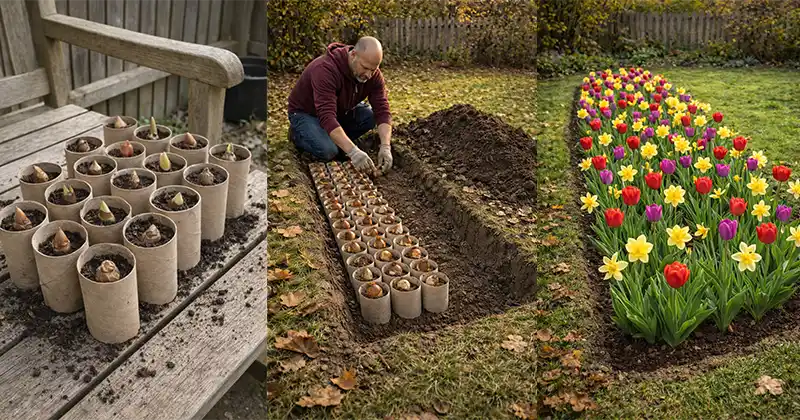
This method combines biodegradable containers with trench planting, helping bulbs develop strong roots, stay properly spaced, and establish faster in spring. It’s inexpensive, eco-friendly, and especially useful for planting large numbers of bulbs neatly and efficiently.
Below is how the method works, which bulbs are best suited for it, and how to get the best possible results.
How the Toilet Paper Roll Method Works
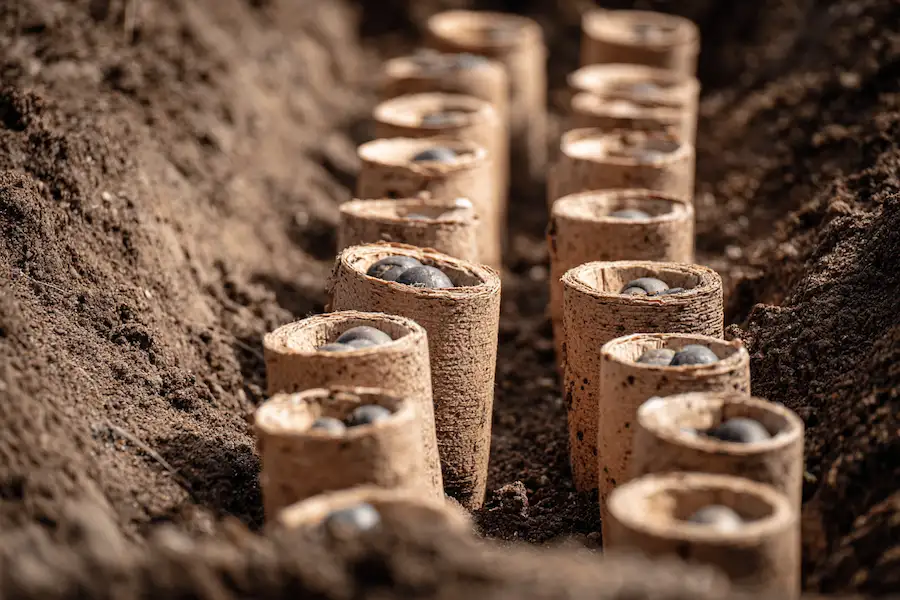
Instead of placing bulbs directly into the soil one by one, each bulb is first planted into an empty toilet paper roll filled with soil. These rolls are then placed side-by-side in a shallow trench and covered with soil.
The cardboard acts as a temporary container that:
- Holds soil around the bulb
- Keeps spacing consistent
- Protects young roots
- Slowly decomposes in the ground
By spring, the roll has softened or broken down completely, allowing roots to spread freely into the surrounding soil.
Step-by-Step Overview
- Collect clean, dry toilet paper rolls.
- Fill each roll with loose garden soil or potting mix.
- Place one bulb in each roll, pointy side up.
- Lightly cover the bulb with soil inside the roll.
- Dig a trench 10–15 cm deep (depending on bulb size).
- Place the rolls upright in rows inside the trench.
- Backfill with soil and water thoroughly.
Most Common Bulbs That Work Well With This Method
This technique works best for medium to large spring-flowering bulbs:
Very suitable:
- Tulips
- Daffodils (Narcissus)
- Hyacinths
- Crocuses
- Alliums (ornamental onions)
- Irises (bulb varieties)
- Snowdrops
- Grape hyacinths (Muscari)
Also suitable:
- Lilies
- Fritillaria
- Scilla
- Anemones (tuber types)
Avoid very small or delicate bulbs unless using thinner soil and shallow trenches.
Advantages of This Planting Method
1. Perfect spacing
Each bulb is naturally separated, preventing overcrowding and competition.
2. Faster root establishment
Soil around the bulb stays loose and moist, encouraging early root growth.
3. Less transplant shock
The bulb is never disturbed after placement.
4. Better organization
You can design straight rows or patterns easily.
5. Eco-friendly
The cardboard decomposes naturally and adds organic matter to the soil.
6. Cleaner planting
Less soil handling and fewer messy hands during planting.
Tips for Successful Growth
Use breathable soil
Avoid compact clay soil inside the rolls. A loose mix helps roots expand faster.
Match depth to bulb size
A general rule: plant at a depth of 2–3 times the bulb’s height.
Water immediately after planting
This settles the soil and activates root development.
Don’t overpack the soil
Lightly press the soil but keep it airy.
Plant in autumn for spring flowers
Most bulbs need cold exposure (vernalization) to bloom properly.
Choose well-drained locations
Bulbs dislike standing water, which can cause rot.
Label rows if planting multiple varieties
Helpful when leaves haven’t emerged yet.
Protect from rodents if needed
Add fine wire mesh beneath the trench in areas with voles or mice.
Common Mistakes to Avoid
- Using wet or moldy cardboard rolls
- Planting upside down
- Compacting soil too tightly
- Planting too shallow
- Forgetting to water after planting
- Using heavily treated or glossy cardboard tubes
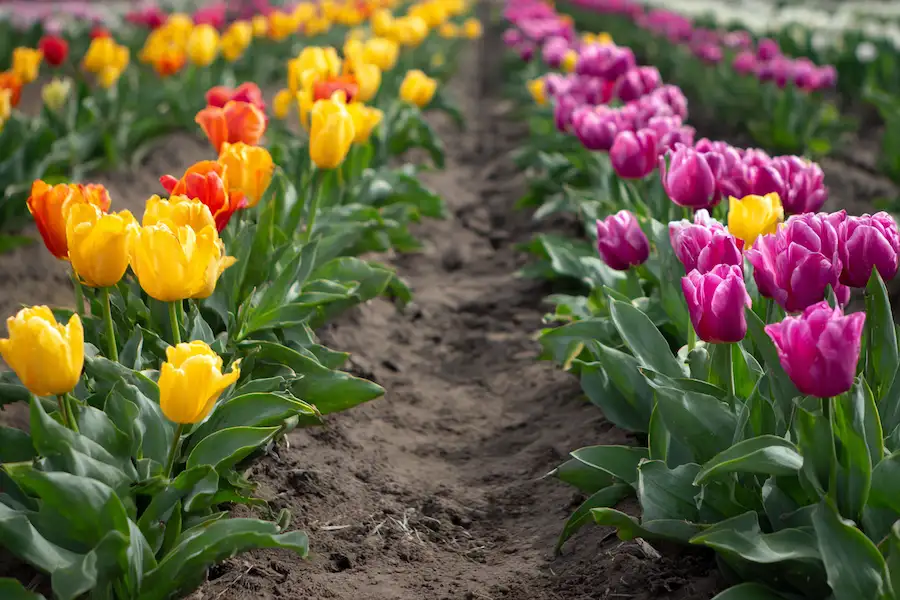
Planting bulbs in toilet paper rolls is a smart combination of sustainability and practicality. It improves organization, supports early root growth, and produces uniform, healthy flower beds in spring — all while reducing waste.
For gardeners planting dozens or even hundreds of bulbs, this method saves time, reduces errors, and delivers beautiful, consistent results year after year.