The Woodland Restorer That Rebuilds, Moistens, and Strengthens from Within
Disclaimer
This article is for informational and educational purposes only and does not constitute medical advice. A qualified professional knows best how to properly identify plants, especially since some plants have dangerous lookalikes. Always consult a healthcare professional and a knowledgeable plant expert before using any wild plant internally or externally, particularly if you are pregnant, breastfeeding, have medical conditions, or take medications.

Solomon’s seal, commonly known as Solomon’s seals, and botanically classified within the Polygonatum genus, is a graceful woodland plant long associated with restoration and deep nourishment. Its arching stems and underground rhizomes hint at its primary role: rebuilding and strengthening tissues that have been worn down by stress, injury, or overuse. Rather than stimulating or forcing change, Solomon’s seal works slowly and steadily, supporting structural integrity, joint health, and internal balance.
Main Powers and Uses
1. Joint, Ligament, and Tendon Repair
Solomon’s seal is best known for its affinity for connective tissues. The rhizome contains compounds that support the body’s ability to rebuild and rehydrate joints, ligaments, tendons, and cartilage.
This restorative effect is linked to:
- Allantoin-like compounds that support tissue repair
- Mucilaginous substances that help rehydrate dry or worn tissues
- Compounds that encourage proper alignment and flexibility
Rather than masking discomfort, Solomon’s seal supports structural healing at the source.
2. Anti-Inflammatory and Pain-Soothing Action
Inflammation often accompanies tissue damage and overuse. Solomon’s seal helps calm inflammation without excessive drying or stimulation.
Its action helps:
- Reduce joint and muscle irritation
- Ease movement-related discomfort
- Support long-term mobility
This makes it especially valued by individuals with chronic joint stress or repetitive strain.

3. Digestive and Mucosal Support
The moistening properties of Solomon’s seal extend to the digestive tract. Its mucilage-like compounds help soothe irritated or dry mucosal tissues.
This supports:
- Gentle digestion
- Reduced irritation in the stomach and intestines
- Improved nutrient absorption
4. Respiratory Tissue Moistening
Dryness in the respiratory system can lead to irritation and discomfort. Solomon’s seal helps by moisturizing and soothing respiratory tissues, supporting smoother breathing and reduced irritation.
5. Nervous System and Structural Balance
By improving hydration and alignment of tissues, Solomon’s seal indirectly supports the nervous system. Healthy connective tissues reduce strain on nerves, promoting comfort and stability.
Homemade Ways to Use Solomon’s Seal
1. Root Decoction
The rhizome is gently simmered in water to extract its restorative compounds. This preparation is traditionally used in small amounts to support joints and connective tissues.
2. External Compress
A decoction can be applied externally as a warm or cool compress over joints, muscles, or areas of strain to support tissue recovery.
3. Powdered Root
Carefully dried rhizome can be powdered and used in very small quantities, traditionally blended into other preparations to support internal restoration.
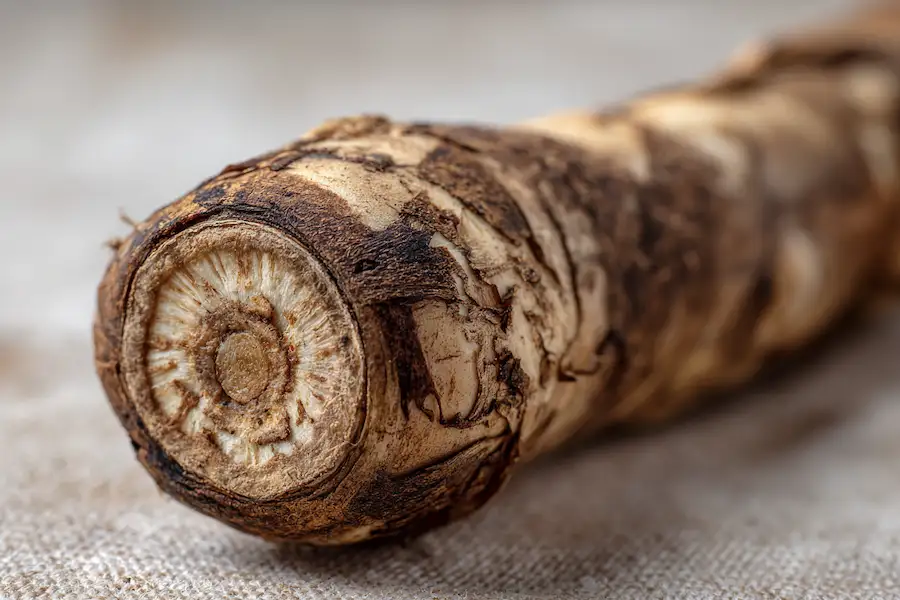
4. Infused Oil for External Use
The root can be infused in oil for external application to joints and muscles, supporting flexibility and recovery.
Safety and Precautions
- Only properly identified species within the Polygonatum genus should be used.
- Some plants resemble Solomon’s seal but are toxic if misidentified.
- Internal use should be moderate and ideally guided by a professional.
- Avoid use during pregnancy or breastfeeding unless advised by a qualified practitioner.
- Not intended for long-term unsupervised use.
- Always harvest from clean environments and never overharvest wild populations.