The Forest Plant That Demands Respect While Delivering Powerful Cellular Action
Disclaimer
This article is for informational and educational purposes only and does not constitute medical advice. A qualified professional knows best how to properly identify plants, especially since some plants have dangerous lookalikes. Always consult a healthcare professional and an experienced plant expert before using any wild plant, as improper identification or misuse can be extremely dangerous. Never self-treat serious conditions with wild plants.
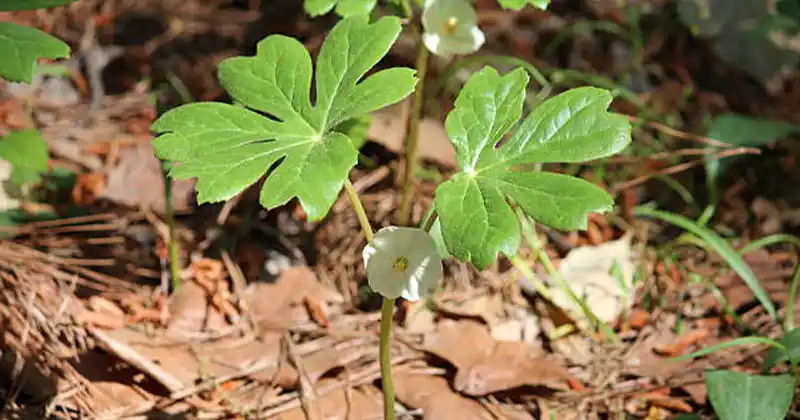
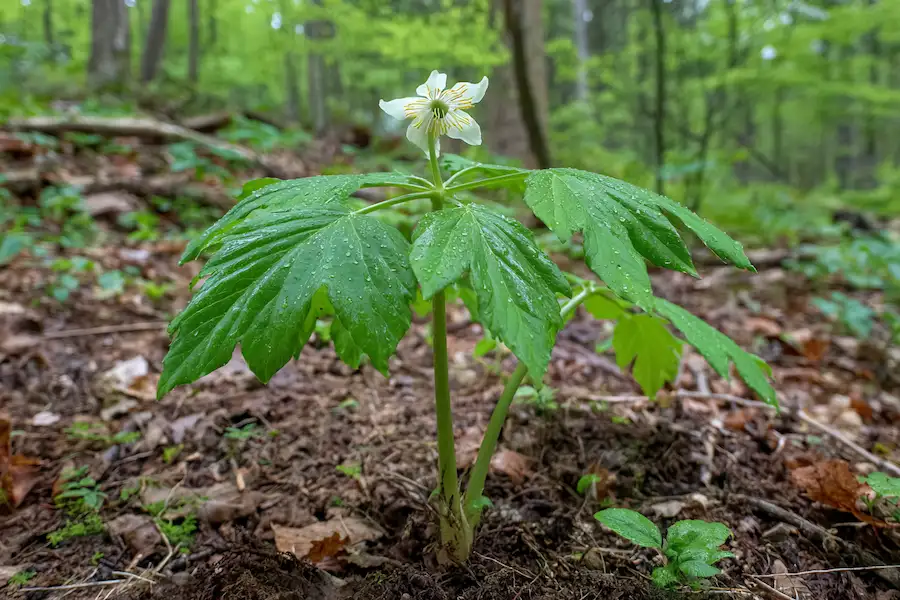
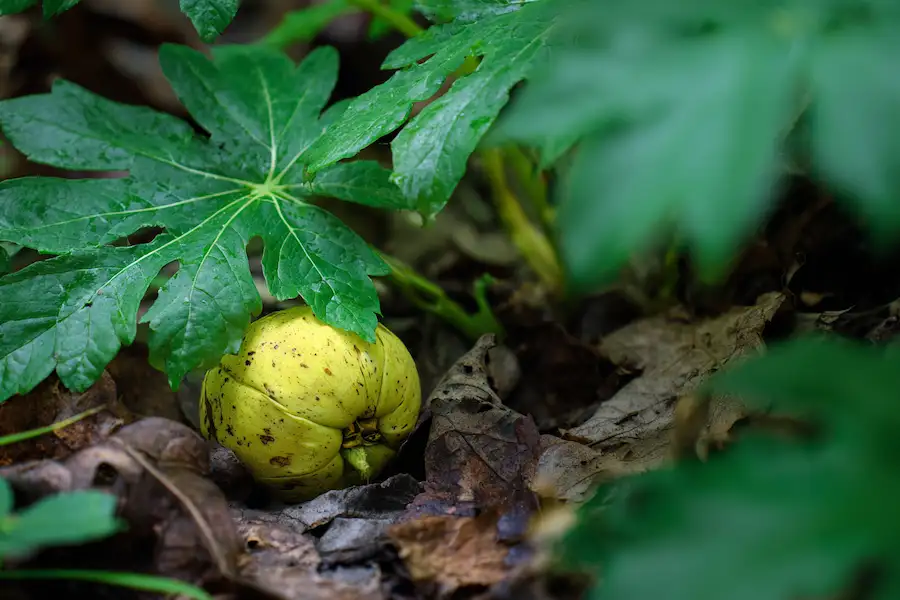
Mayapple, commonly known as mayapple, and scientifically identified as Podophyllum peltatum, is a striking woodland plant native to North America. While visually appealing, mayapple is one of the most potent and potentially dangerous medicinal plants found in the wild. Historically respected for its intense biological activity, mayapple has been used with extreme caution for its effects on cellular processes, skin growths, and internal cleansing. This is not a gentle plant—it is powerful, and misuse carries serious risk.
Main Powers and Uses
1. Cellular Action and Anti-Cancer Significance
Mayapple is best known for its content of podophyllotoxin, a highly active compound that directly interferes with cell division. This compound has been studied and utilized in controlled medical contexts because of its strong influence on rapidly dividing cells.
Its cellular action includes:
- Inhibiting abnormal cell replication
- Disrupting uncontrolled cellular growth cycles
- Targeting cells with accelerated division rates
Because of this intensity, mayapple is considered biologically aggressive, and its activity must never be underestimated.
2. External Use for Skin Growths
Traditionally, mayapple has been used externally for unwanted skin growths. Its compounds act directly on surface tissues, encouraging controlled breakdown of abnormal growths.
This effect is due to:
- Strong cytotoxic activity
- Localized action when applied externally
- Direct interference with abnormal skin cell cycles
External use historically required precise preparation and dosage.
3. Intestinal Cleansing (Historical Context)
Historically, mayapple root was used as a powerful purgative. Its compounds strongly stimulate intestinal movement, forcing evacuation.
This action:
- Triggers intense bowel activity
- Clears intestinal contents rapidly
- Can cause severe cramping and dehydration
Because of the risk, this use is now largely avoided without professional supervision.
4. Antimicrobial and Protective Properties
Certain compounds in mayapple exhibit antimicrobial effects, helping limit microbial growth when used externally or in controlled applications.
Homemade Ways to Use Mayapple
⚠️ Important Note: Due to the extreme potency and toxicity of mayapple, homemade internal preparations are not recommended.
1. External Use Only (Professional Guidance Required)
Historically, carefully prepared topical applications were used on specific skin concerns. This required precise preparation and should never be attempted without expert knowledge.
2. Educational Observation
Mayapple is best appreciated as a plant of botanical and medicinal history rather than a casual home remedy. Understanding its biology and role in plant medicine highlights why professional training is essential.
Safety and Precautions
- All parts of the mayapple plant are toxic except the fully ripe fruit pulp.
- Seeds, leaves, roots, and unripe fruit are dangerous if ingested.
- Internal use of the root or leaves can cause severe poisoning, organ damage, or death.
- Not safe for pregnant or breastfeeding individuals under any circumstances.
- Never use mayapple internally without direct professional supervision.
- Misidentification or improper preparation can be life-threatening.
- Keep away from children and pets.