The Forgotten Woodland Healer That Warms, Calms, and Protects
Disclaimer
This article is for informational and educational purposes only. It is not intended as medical advice, diagnosis, or treatment. Always consult a qualified healthcare professional before using any plant for health purposes, especially if you are pregnant, breastfeeding, have a medical condition, or take prescription medications.
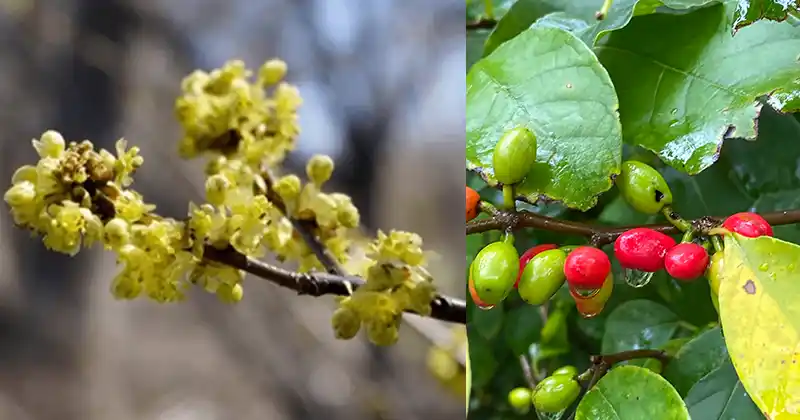
Northern spicebush, commonly known as spicebush, and scientifically identified as Lindera benzoin, is an aromatic shrub native to forested regions of North America. Its leaves, twigs, bark, and berries release a warm, citrus-spice scent when crushed, hinting at the powerful natural compounds stored within. Traditionally valued for its warming, soothing, and protective qualities, Northern spicebush has long been used to support digestion, circulation, respiratory comfort, and overall vitality.
Main Powers and Uses
1. Digestive Support and Gut Comfort
Northern spicebush is especially known for its ability to stimulate and soothe the digestive system. Its aromatic oils encourage the production of digestive juices, helping the body process food more efficiently.
This effect comes from:
- Volatile essential oils that stimulate digestion
- Naturally bitter compounds that awaken sluggish digestion
- Mild antispasmodic properties that ease bloating and cramping
By supporting digestion at its foundation, spicebush indirectly contributes to better nutrient absorption and overall metabolic balance.
2. Circulation and Warming Effect
Spicebush is considered a warming plant. It gently increases peripheral circulation, making it particularly useful during cold weather or periods of low energy.
This warming action helps:
- Improve blood flow to extremities
- Support cardiovascular efficiency
- Reduce feelings of coldness and stagnation
Improved circulation also supports heart health by encouraging smoother blood movement and reducing circulatory stress.

3. Respiratory Comfort
The aromatic compounds in Northern spicebush have long been used to support the respiratory system. When inhaled or consumed in small amounts, these compounds help open airways and promote clearer breathing.
This occurs because:
- Volatile oils help loosen mucus
- Mild antimicrobial compounds support airway cleanliness
- Warming properties calm respiratory tightness
These effects make spicebush especially valued during seasonal respiratory discomfort.
4. Antioxidant and Cellular Protection
Northern spicebush contains antioxidant compounds that help neutralize free radicals in the body. These compounds support cellular integrity by reducing oxidative stress, which plays a role in premature aging and long-term chronic imbalance.
By supporting the body’s natural antioxidant defenses, spicebush contributes to:
- Cellular resilience
- Reduced oxidative burden
- Long-term tissue health
This protective role supports overall wellness and internal balance.
5. Nervous System Calming
Despite its warming nature, spicebush also has a gentle calming effect on the nervous system. Its aromatic compounds interact with sensory pathways that help relax tension and reduce mental strain.
This makes it useful for:
- Nervous digestion
- Stress-related tension
- Mild restlessness or fatigue
Homemade Ways to Use Northern Spicebush
1. Leaf or Twig Infusion
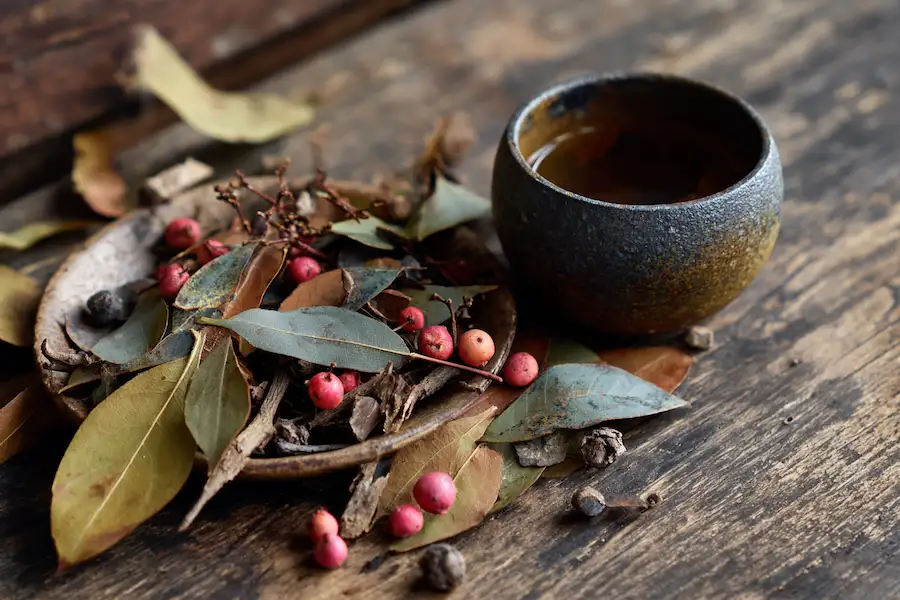
Fresh or dried leaves and young twigs can be steeped in hot water (not boiling) for 10–15 minutes. This infusion is traditionally used to support digestion, circulation, and respiratory comfort.
2. Aromatic Steam
Crushed leaves or twigs added to a bowl of hot water can be used as a steam inhalation. The aromatic vapors support breathing comfort and relaxation.
3. Berry Spice (Traditional Use)
Fully ripe berries can be dried and lightly crushed to create a warming spice used in very small amounts. This preparation is traditionally used for digestive and circulatory support.
4. Warming Compress
An infusion made from leaves or twigs can be applied externally as a warm compress to promote circulation and ease muscle tension.
Safety and Precautions
- Use Northern spicebush in moderation, especially when consuming internally.
- Avoid use during pregnancy or breastfeeding unless guided by a qualified professional.
- Not recommended for long-term daily use in concentrated forms.
- Always ensure correct identification, as similar-looking plants may not be safe.
- Harvest only from clean, uncontaminated areas and avoid overharvesting.