Hairy Bittercress (Cardamine hirsuta) – Powers, Uses, and Practical Applications
Disclaimer
This article is for informational and educational purposes only. It does not constitute medical advice, diagnosis, or treatment. Always consult a qualified healthcare professional before using any plant for health-related purposes, especially if you have a medical condition, are pregnant, breastfeeding, or taking medication.
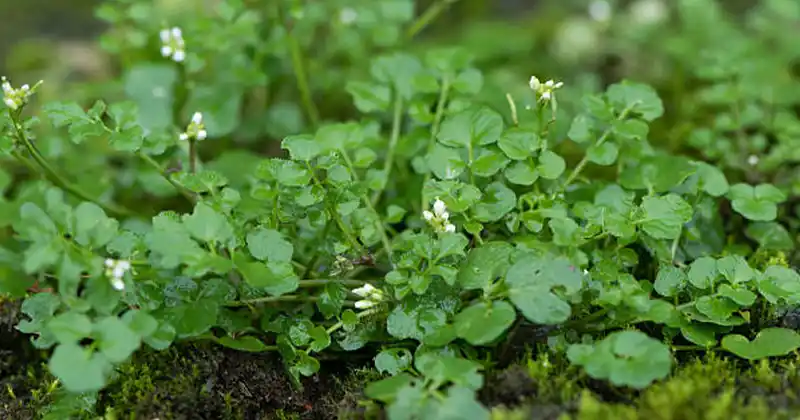
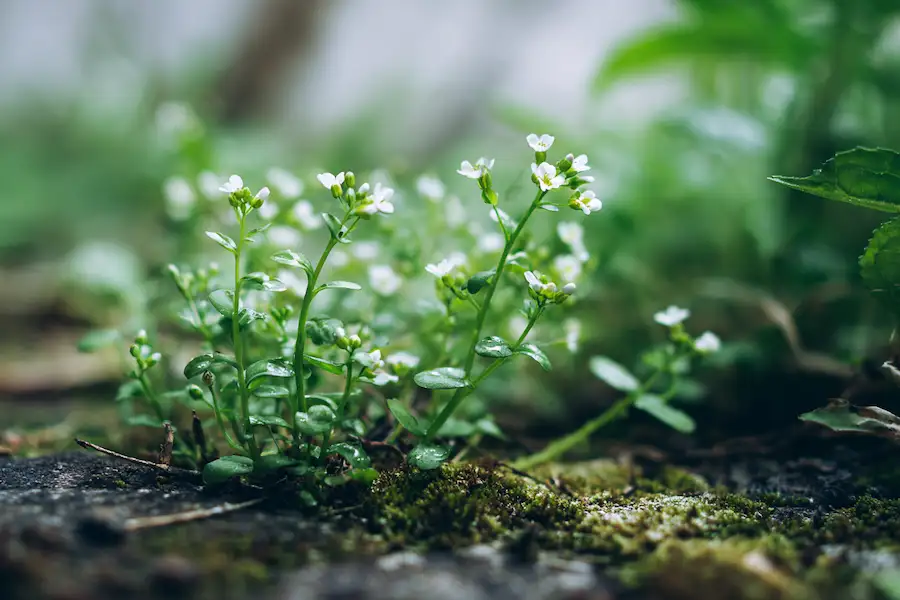
Hairy bittercress (Cardamine hirsuta) is a small, fast-growing plant often dismissed as a common weed. Despite its modest appearance, this plant holds a surprising concentration of biologically active compounds that give it meaningful health-related potential. Traditionally consumed as a fresh green, hairy bittercress is valued for its sharp, peppery taste and its ability to support internal balance, particularly in areas related to cellular health, cardiovascular function, and metabolic regulation.
Main Powers and Uses
1. Anti-Cancer Potential
One of the most notable properties of hairy bittercress lies in its content of natural sulfur-containing compounds, particularly glucosinolates. When the plant is crushed or chewed, these compounds are converted into active forms that support the body’s natural defense mechanisms at the cellular level.
These substances are known for:
- Supporting healthy cell turnover
- Assisting the body’s detoxification pathways
- Helping neutralize oxidative stress that can damage DNA
Hairy bittercress also contains antioxidant compounds that help reduce the impact of free radicals. By lowering oxidative stress and supporting detoxification processes, the plant may contribute to an internal environment that discourages abnormal cell growth.
2. Cholesterol Regulation
Hairy bittercress contains plant-based fibers and bioactive compounds that support lipid balance in the body. These compounds can help:
- Reduce the absorption of excess dietary cholesterol
- Support healthy bile production, which plays a role in cholesterol elimination
- Encourage a healthier ratio between LDL (“bad”) and HDL (“good”) cholesterol
Regular, moderate consumption as part of a balanced diet may assist the body in maintaining healthier cholesterol levels over time.
3. Heart Health Support
By influencing cholesterol metabolism and reducing oxidative stress, hairy bittercress indirectly supports cardiovascular health. The plant also provides:
- Natural antioxidants that help protect blood vessels
- Minerals that support normal heart rhythm and vascular tone
- Compounds that may assist in maintaining flexible, healthy arteries
These combined effects make hairy bittercress a valuable addition for those interested in supporting long-term heart and circulatory health.
4. Anti-Inflammatory Action
Chronic inflammation is closely linked to many modern health issues. Hairy bittercress contains compounds that help calm inflammatory responses by reducing oxidative damage and supporting immune balance. This may benefit joint comfort, vascular health, and overall metabolic function.
5. Digestive and Detox Support
The mildly bitter and peppery nature of hairy bittercress stimulates digestive secretions, which can:
- Support better digestion of fats
- Encourage gentle liver activity
- Assist the body’s natural detox processes
This digestive stimulation plays a supporting role in both cholesterol regulation and overall metabolic health.
Homemade Ways to Use Hairy Bittercress
1. Fresh Leaf Addition
Harvest young, tender leaves and add them fresh to meals. They can be:
- Mixed into salads
- Sprinkled over cooked vegetables after cooling
- Added to sandwiches or wraps
Using the plant raw helps preserve its active compounds.
2. Herbal Infusion
Chop fresh leaves and stems and pour hot (not boiling) water over them. Cover and steep for 10–15 minutes. This infusion can be consumed in small amounts to support digestion and overall wellness.
3. Green Paste
Blend fresh hairy bittercress with a small amount of water to create a paste. This can be mixed into foods or diluted with warm water for occasional use. Crushing the plant helps activate its beneficial compounds.
4. Light Cooking
Add hairy bittercress at the very end of cooking soups or stews. Minimal heat preserves more of its active substances while softening the flavor.
Safety and Precautions
- Hairy bittercress should be consumed in moderate amounts, not as a concentrated or daily medicinal substitute.
- Individuals with thyroid conditions should use caution, as sulfur-containing compounds may interfere with thyroid function when consumed in large quantities.
- Pregnant or breastfeeding individuals should avoid regular use unless advised by a healthcare professional.
- Always ensure proper identification and harvest from clean, chemical-free areas.
- Discontinue use if digestive discomfort or adverse reactions occur.