The Practical Power of Jackfruit Sap: Harvesting and Homemade Uses
The jackfruit tree is famous for producing massive fruits that feed many people around the world. However, beyond the edible yellow flesh and the nutritious seeds, the tree holds another valuable resource: its sap. When you cut into a jackfruit or the bark of the tree, a thick, milky white liquid immediately begins to flow. This substance is a natural latex. While many people see this sticky sap as a nuisance when preparing the fruit for food, it actually holds great practical power. It is a highly effective natural material that you can use for many homemade projects and repairs, replacing artificial chemicals with a safe, plant-based alternative.
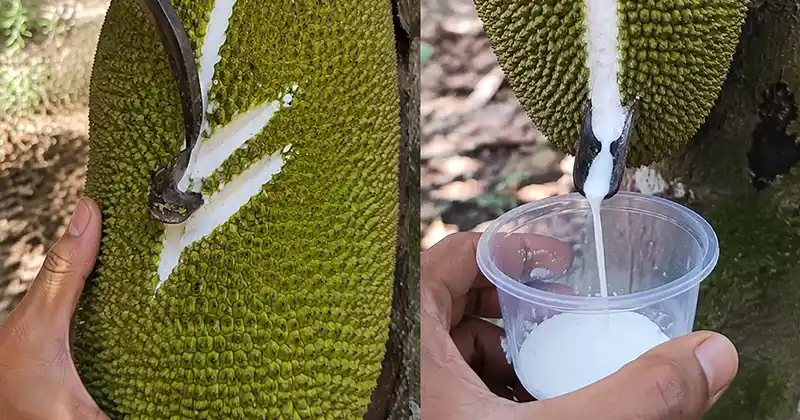
How to Harvest Jackfruit Sap
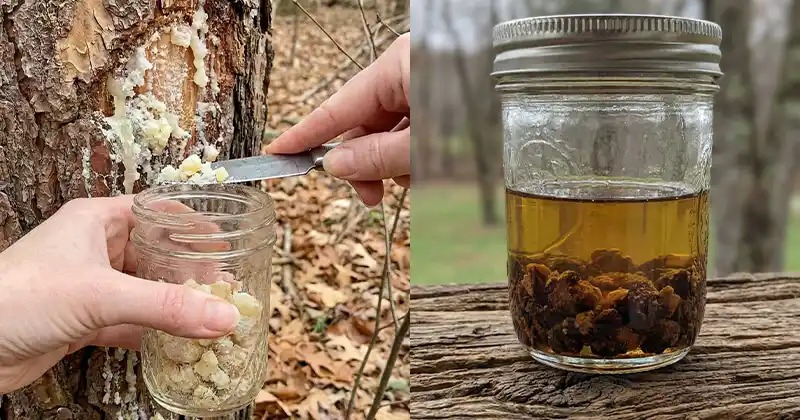
Harvesting the sap is a simple process, but it requires care because the liquid is incredibly sticky. The sap is present in the leaves, the trunk, and the fruit itself. The fruit is usually the easiest and least damaging place to collect it.
Here are the main steps for harvesting the sap directly from the fruit:
- Choose the right fruit: Unripe, green jackfruits generally produce the most sap. As the fruit ripens, the amount of latex inside the skin naturally decreases.
- Make the cuts: You must score the skin to release the liquid. Harvesters often make a central vertical cut down the fruit, followed by diagonal cuts leading into the center line. This creates a pattern that looks like a fern leaf, allowing the sap to drain efficiently.
- Direct the flow: The sap will pool and travel down the central cut. You can place a natural spout, like a folded piece of thick leaf or a small piece of bamboo, at the bottom of the cut. This directs the dripping sap into a collection container.
- Collect in stages: The sap flows quickly at first and then slows down as it begins to thicken in the open air. You can leave the fruit on the tree, collect what falls, and return later to make fresh cuts if you need more material.
The Power of the Latex
The true power of jackfruit sap lies in its physical properties. It is not just a watery fluid; it is a complex plant latex that changes its physical structure when it hits the air.
- Extreme Adhesion: As soon as the sap leaves the tree, it starts to get tacky. Within minutes, it turns into a heavy, glue-like substance that bonds aggressively to whatever it touches.
- Water Resistance: Unlike regular liquid school glue, jackfruit sap does not dissolve in water. Once it dries, it repels moisture completely.
- Rubbery Texture: When fully dry, the sap does not become brittle or crack easily. It remains slightly flexible and rubbery. This flexibility helps it absorb movement or pressure without breaking its seal.
- Natural Preservation: The sap hardens into a durable resin over time, making it highly resistant to breaking down in outdoor conditions.
Practical Homemade Uses
Because of its sticky and waterproof nature, jackfruit sap has been used as a natural tool for centuries. You can easily process and use this sap at home for various practical tasks.
Here is how you can use the sap around the house and yard:
- Heavy-Duty Natural Glue: The fresh sap acts as a powerful adhesive. You can use it to bind pieces of wood together, repair broken household items, or fix cracked pottery. You simply apply the wet sap to the broken edges, press them firmly together, and leave them to dry completely.
- Waterproof Caulk and Sealant: Because the dry sap blocks water, it is excellent for fixing leaks. You can push the thick sap into cracks in buckets, water barrels, or wooden containers. It will seal the hole and stop water from escaping.
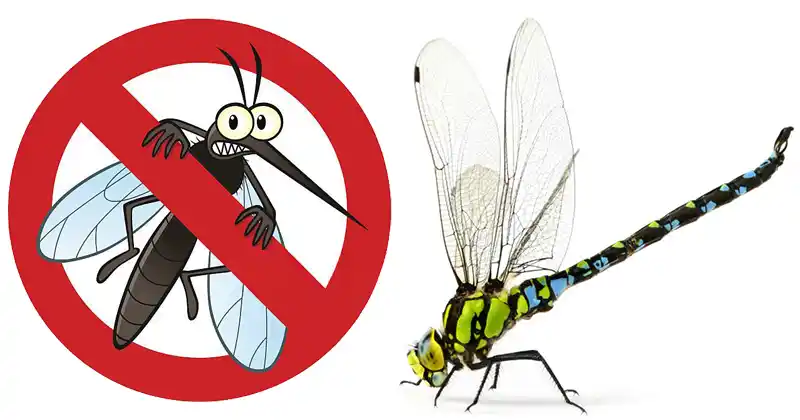
- Natural Pest Control: The extreme stickiness makes the sap a great tool for trapping pests. By spreading a layer of sap on pieces of cardboard or directly onto the base of tree trunks, you can catch crawling insects. They get stuck in the latex and cannot pass, protecting your other garden plants.
- Garden Grafting Paste: When gardeners join two plants together through grafting, they need to seal the cut to prevent rot and disease. Jackfruit sap serves as an excellent natural grafting paste that seals the wound from the weather and helps the plant heal safely.
Handling and Cleaning Up
The biggest challenge with jackfruit sap is getting it off your hands and tools. Because it is waterproof, washing your hands with soap and water will not work. The water will only cause the sap to smear and become more difficult to remove.
- Preparation: Before you touch the sap or cut the fruit, coat your hands and your knife heavily with cooking oil, such as coconut, vegetable, or sunflower oil. The oil creates a protective barrier that prevents the latex from bonding directly to your skin and tools.
- Removal: If you do get sap on your skin, do not reach for water. Instead, pour more oil directly onto the sticky area. Rub your hands together vigorously. The oil will break down the chemical bonds of the plant latex.
- Final Polish: Once the sap starts to dissolve, wipe it away with a rough paper towel or an old cloth. After the sap is completely gone, you can wash your hands normally with soap and water to remove the leftover oil.