9 Most Popular Pot Herbs in the USA: Tips for Growing Them Successfully
Growing herbs in pots is one of the easiest ways to keep fresh flavor close at hand—on a balcony, patio, windowsill, or even a sunny corner that changes with the seasons. The best part is portability: when the weather shifts, when the sun moves, or when you simply want your herbs near the kitchen, you can pick up the pot and relocate your garden in minutes.
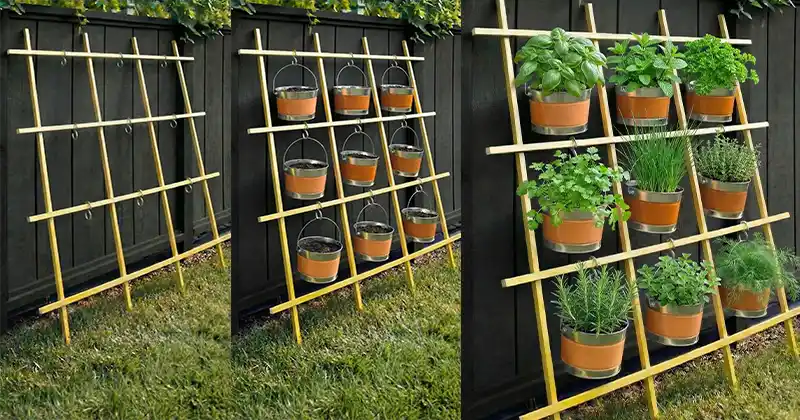
This guide covers nine of the most popular herbs people grow at home in pots and gives specific, practical tips for getting each one to thrive—not just survive.
Before You Start: The “Portable Pot Herb” Setup That Works
Choose the right pot size (bigger is usually better).
A slightly larger pot holds moisture more evenly, buffers temperature changes, and supports a stronger root system. Tiny pots dry out fast and can stunt growth.
Always use a container with drainage holes.
Herbs hate soggy roots. If water can’t escape, roots suffocate and rot.
Use a light, well-draining potting mix.
Avoid heavy garden soil in containers. It compacts, drains poorly, and creates root problems.
Water deeply, then let the top layer dry slightly.
Most herbs prefer a cycle: soak → drain → partial dry-down. Constant dampness is worse than mild dryness.
Feed lightly.
Too much fertilizer can reduce aroma and flavor. Herbs often taste best when they grow steadily, not explosively.
Portability tip:
If moving a pot often is part of your plan, choose lightweight containers and place them on a plant caddy or tray with wheels. This makes “follow the sun” easy.
1) Basil
Goal: Fast, bushy growth with big, tender leaves.
Light:
Basil loves strong light. Outdoors, full sun is ideal. Indoors, place it in the brightest window you have.
Watering:
Keep basil evenly moist, but never waterlog it. If it droops, it may be thirsty—but check the soil first.
Best growth trick (essential): Pinching
When basil reaches about 6–8 inches tall, pinch off the top set of leaves right above a pair of lower leaves. This forces branching and makes the plant fuller.
Avoid:
- Letting it flower (flowers reduce leaf production).
- Cold exposure (basil dislikes chilly nights).
Portable tip:
If nights get cool, move basil indoors in the evening and back out in the morning.
2) Mint
Goal: Strong, leafy growth without taking over everything.
Container rule:
Mint should almost always be grown alone in its own pot. It spreads aggressively.
Light:
Mint tolerates partial shade better than most herbs, though it still grows well with good sun.
Watering:
Mint likes consistent moisture. It doesn’t want bone-dry soil.
Harvesting:
Cut stems regularly to encourage fresh, tender growth. Mint responds well to frequent trimming.
Avoid:
- Small pots that dry out too fast.
- Mixing mint with other herbs (it can outcompete them).
Portable tip:
Mint is a great “moveable refreshment herb”—keep it near the kitchen or outdoor seating area when you want easy access.
3) Parsley
Goal: Thick, healthy leaf clusters that keep producing.
Light:
Parsley does well in full sun to partial sun. It can be grown indoors if light is strong enough.
Watering:
Parsley likes steady moisture more than drought. Let the top inch dry slightly, then water.
Harvesting:
Harvest outer stems first, near the base, so the center keeps producing new growth.
Temperature bonus:
Parsley handles cooler weather better than basil and can stay outside longer into spring/fall.
Portable tip:
Use parsley as a “season extender” pot—keep it outside in mild weather, then move it inside when nights get cold.
4) Cilantro
Goal: Lush leaf growth before it bolts (goes to seed).
The big challenge: Bolting
Cilantro often bolts quickly in heat. Once it bolts, leaf production slows and the flavor changes.
Light:
Give cilantro morning sun and some afternoon protection in warmer conditions.
Watering:
Even moisture helps delay bolting. Don’t let it swing between bone dry and soaked.
Planting strategy (best method): Succession planting
Instead of one pot for months, sow small amounts repeatedly so you always have a fresh batch coming.
Harvesting:
Harvest frequently, but don’t cut more than about one-third of the plant at once.
Portable tip:
When a heat wave hits, move cilantro to a cooler spot (bright shade or a cooler window) to slow bolting.
5) Chives
Goal: Dense clumps you can snip from all season.
Light:
Chives love sun but tolerate partial sun well.
Watering:
Water when the top layer dries. Chives don’t like to stay soggy.
Harvesting:
Snip leaves down to a couple inches above the soil line. This keeps growth fresh and tender.
Rejuvenation trick:
If chives get tough or thin, cut the entire clump back and let it regrow.
Portable tip:
Chives are one of the easiest “kitchen counter herbs.” Rotate the pot between a sunny window and a brighter spot when needed.
6) Thyme
Goal: Compact, fragrant growth without root rot.
Thyme’s biggest need: drainage
Thyme prefers drier conditions and hates wet feet.
Light:
Full sun is best. Thyme gets leggy in low light.
Watering:
Let the soil dry more between waterings than you would for basil or parsley.
Pruning:
Trim lightly to keep it compact. Don’t cut too far into old woody stems—new growth is slower there.
Avoid:
- Overwatering.
- Heavy soil.
Portable tip:
If rain is constant, move thyme under cover so it doesn’t stay soaked for days.
7) Rosemary
Goal: Strong, woody growth and fragrant needles.
Light:
Rosemary wants lots of sun. Indoors, it needs the brightest window possible.
Soil and drainage:
Rosemary thrives in fast-draining mix and a pot that doesn’t hold water.
Watering:
Water thoroughly, then allow the pot to dry out partially. Rosemary prefers slightly dry conditions over constantly damp soil.
Air flow matters (especially indoors):
Rosemary dislikes stagnant, humid indoor air. A little airflow helps prevent issues.
Pruning:
Trim tips to encourage branching. Light, consistent shaping is better than aggressive cutting.
Portable tip:
Rosemary is a classic “move-with-the-seasons” herb: outside in warm sun, then indoors when temperatures drop.
8) Oregano
Goal: Bushy growth and strong flavor.
Light:
Full sun gives the best flavor and prevents the plant from stretching.
Watering:
Oregano is drought-tolerant once established. Let the soil dry moderately between waterings.
Flavor tip:
Slightly “leaner” conditions (not over-fertilized, not overly wet) often produce stronger aroma and taste.
Harvesting:
Harvest stems regularly to keep the plant compact. Frequent cutting prevents it from becoming woody.
Portable tip:
If oregano starts to sprawl, rotate the pot and trim it back—portability lets you shape growth evenly by changing the direction of light.
9) Dill
Goal: Tall, feathery growth without flopping.
Pot choice matters:
Dill often develops a deeper root system, so a deeper pot helps.
Light:
Full sun is best.
Watering:
Water when the top layer dries. Dill likes consistent moisture but should never sit in soggy soil.
Support tip:
If dill gets tall and leans, use a small stake or place it in a spot sheltered from strong wind.
Harvesting:
Harvest outer fronds first. Snipping regularly encourages more leaf growth.
Portable tip:
Dill can be moved to protect it from heavy wind or storms, which helps prevent snapping and bending.
Portable Herb Garden “Power Tips”
1) Rotate your pots every few days.
This prevents leaning and keeps growth even.
2) Group pots by water needs.
- More moisture: basil, parsley, cilantro, mint
- Moderate: chives, dill
- Drier: thyme, oregano, rosemary
3) Move plants strategically.
- Heat wave: move cilantro and parsley to gentler light
- Heavy rain streak: protect thyme, oregano, rosemary
- Cold nights: move basil and rosemary indoors
4) Harvest often.
Most herbs respond to regular cutting by growing fuller and producing better-quality leaves.
With the right pot, drainage, light, and a few herb-specific habits, you can grow a thriving portable herb collection that adapts to changing weather and changing spaces. The key is to treat pots like a movable microclimate: move them for more sun, less heat, less rain, or warmer nights—and your herbs will reward you with faster growth, better flavor, and longer harvests.