Toothache Plant (Acmella oleracea): Nature’s Numbing Flower with Powerful Benefits
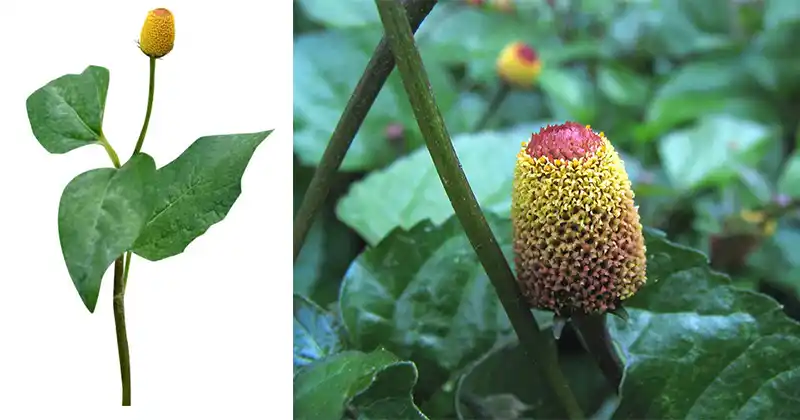
The Toothache Plant (Acmella oleracea)—also known by many other names such as Buzz Buttons, Electric Daisy, and Spilanthes—is a fascinating tropical herb that has captured attention for its unique tingling sensation and impressive medicinal uses. When you chew its small, golden button-like flowers, you immediately feel a buzzing or numbing effect on your tongue and gums. This sensation comes from a natural compound called spilanthol, which has made the plant popular both in traditional herbal medicine and in modern skincare and culinary innovations. Native to South America, the Toothache Plant now grows widely in Asia, Africa, and tropical regions around the world, where it thrives in warm, moist climates.
The Science Behind the Buzz
The active ingredient spilanthol is what gives the Toothache Plant its distinctive “electric” feel. Beyond the tingling sensation, spilanthol acts as a natural anesthetic, antimicrobial, and anti-inflammatory compound. This makes it valuable in soothing oral pain, boosting immunity, and protecting against infections.
Health Benefits of the Toothache Plant
1. Natural Toothache Relief
True to its name, the Toothache Plant can help numb dental and gum pain. Chewing the flower or applying a small extract directly to the affected area quickly relieves discomfort by mildly anesthetizing the nerves.
2. Fights Mouth Infections
The plant’s antibacterial and antifungal properties help cleanse the mouth, fight infections, and promote overall oral hygiene.
3. Boosts Immunity
Traditionally, it has been used in teas and tinctures to stimulate the immune system, helping the body ward off colds, fevers, and infections.
4. Anti-Inflammatory Support
Spilanthol reduces inflammation and swelling, making it helpful for soothing sore throats, mouth ulcers, or joint pain.
5. Improves Digestion
When consumed in small amounts, the plant stimulates saliva production and digestive enzymes, helping with appetite and gut health.
6. Antioxidant Properties
The plant is rich in flavonoids and essential oils that help neutralize free radicals, slowing cellular aging and protecting the body from oxidative stress.
7. Supports Skin Health
Modern skincare brands use spilanthol as a natural “botox-like” ingredient that helps tighten skin and reduce wrinkles by relaxing facial muscles and improving elasticity.
8. Helps Relieve Cold and Flu Symptoms
Drinking tea made from the leaves or flowers is a traditional way to soothe sore throats and boost recovery during respiratory infections.
9. Natural Diuretic Effect
The plant helps the body flush out toxins and excess fluids, supporting kidney function and general detoxification.
10. Anti-Parasitic Potential
In traditional medicine, Spilanthes extracts were used to help combat intestinal parasites and maintain healthy digestion.

Common Uses of the Toothache Plant
1. Chewing the Flowers or Leaves
This is the most direct and traditional use. The numbing sensation is almost immediate and can help relieve tooth or gum pain naturally.
2. Herbal Teas and Decoctions
Boiling the flowers or leaves in water creates a medicinal tea used to support the immune system, aid digestion, and reduce inflammation.
3. Tinctures and Extracts
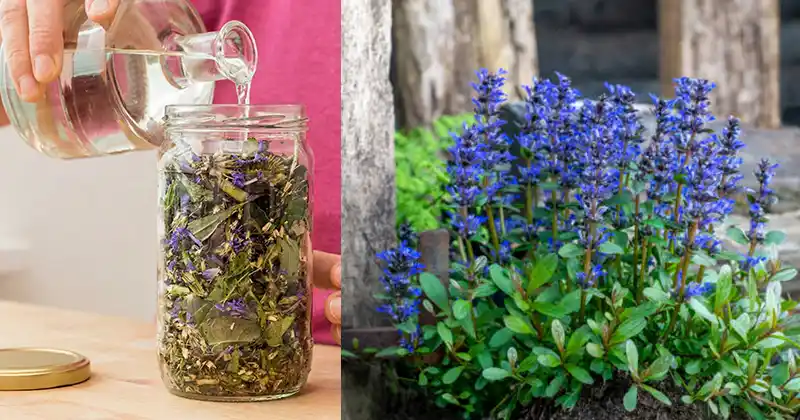
Liquid extracts made from the plant are used in natural remedies for oral health or as immune-boosting tonics.
4. Skincare Formulas
Modern cosmetic industries use spilanthol in serums, creams, and facial masks as a natural alternative to chemical fillers for firming and rejuvenating the skin.
5. Culinary Uses
In some cuisines, especially in parts of Brazil, Thailand, and Africa, the flowers are used in salads, cocktails, or sauces to add a surprising “electric” flavor.
6. Traditional Healing Practices
In folk medicine, the plant was often used to treat fever, infections, and wounds, either through topical application or internal use.
How to Use the Plant Safely
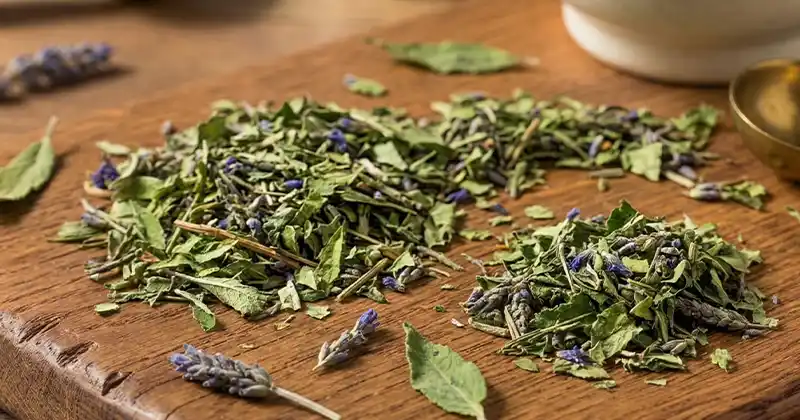
If you grow or collect the Toothache Plant yourself, the fresh flowers and leaves can be chewed or used in teas. Always start with small amounts, as the numbing sensation can be strong. Dried forms are also available and can be used to prepare extracts or infused oils.
The Toothache Plant (Acmella oleracea) may be small, but its healing power is impressive. From relieving dental pain to supporting immunity, digestion, and skin health, this buzzing herb proves that nature often hides extraordinary properties in the most unexpected places. Whether you use it as a natural remedy, skincare ingredient, or exotic garnish, the Toothache Plant is one of nature’s true multitaskers.
Disclaimer
This article is for educational purposes only. The Toothache Plant is generally safe in small amounts, but it should not replace professional medical advice or prescribed treatments. Always consult a qualified healthcare provider before using herbal remedies, especially if you are pregnant, nursing, or taking medications.