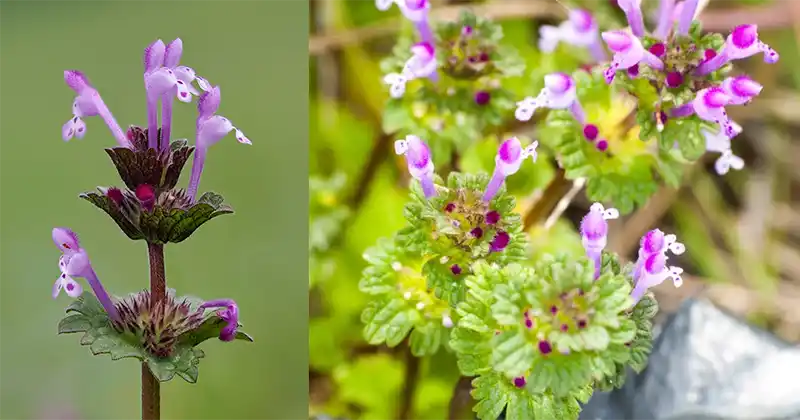
This Simple Water Is an Ancient Chinese Beauty Secret…
In the heart of ancient China, women were admired for their long, silky hair and radiant skin. What was their secret? Not expensive cosmetics or complex rituals—but something simple, natural, and found in nearly every kitchen: fermented rice water.
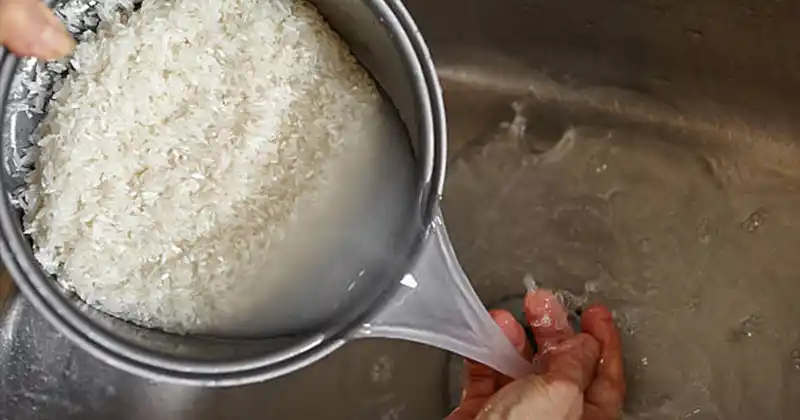
Passed down through generations, this traditional beauty remedy has stood the test of time, offering incredible results for both hair and skin health, and even anti-aging. It’s easy to make, budget-friendly, and packed with natural nutrients.
Let’s explore why this cloudy liquid is gaining popularity again—and how you can make it at home.
What Is Fermented Rice Water?
Fermented rice water is simply the water left over after soaking rice, but allowed to sit at room temperature until it slightly sours through natural fermentation. During this process, the water becomes richer in vitamins, minerals, antioxidants, and amino acids that benefit the body both inside and out.
Why It Works: The Science Behind the Secret
When rice ferments, its natural starches break down into skin- and hair-loving compounds such as:
- Pitera – a natural byproduct of fermentation that promotes cell regeneration
- Inositol – a carbohydrate that strengthens and repairs damaged hair
- Antioxidants – that help fight signs of aging and soothe inflammation
- Amino acids and B vitamins – which nourish skin and stimulate growth
This makes fermented rice water one of the most powerful DIY elixirs you can use for natural beauty care.
Top 7 Benefits of Fermented Rice Water
1. Promotes Hair Growth
It stimulates the scalp, improves circulation, and strengthens follicles, helping hair grow faster and thicker.
2. Makes Hair Silky and Shiny
Rice water smooths the cuticle, making hair softer, more manageable, and glossy.
3. Soothes Scalp Irritation
Its anti-inflammatory properties calm dandruff, itchiness, and sensitivity.
4. Tightens and Brightens Skin
It helps reduce the appearance of pores and gives skin a youthful glow.
5. Fights Signs of Aging
Fermented rice water is rich in antioxidants that reduce wrinkles and fine lines.
6. Natural Skin Cleanser and Toner
Used daily, it can help cleanse, tone, and balance the skin’s natural pH.
7. Reduces Acne and Redness
Its mild astringent and anti-inflammatory qualities calm blemishes and even out skin tone.
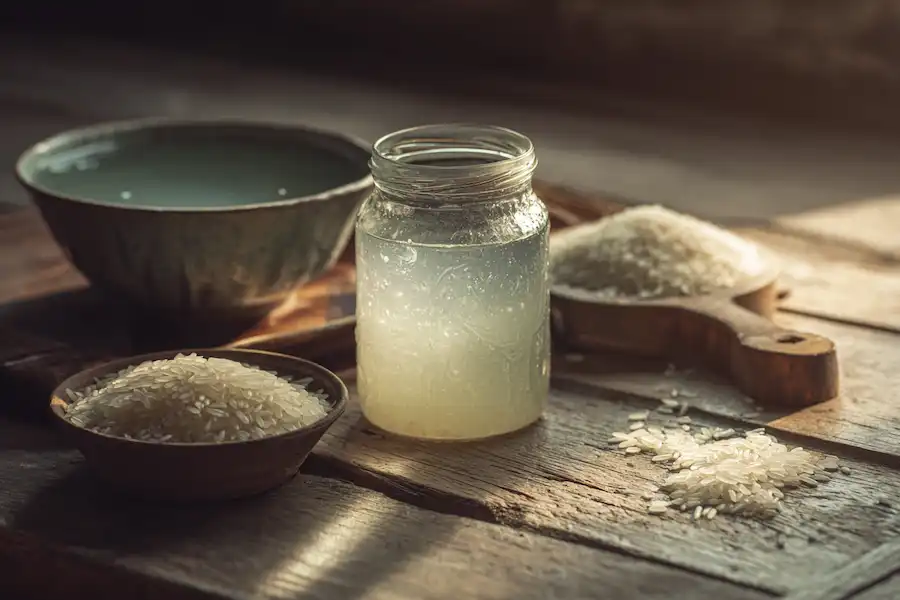
How to Make Fermented Rice Water at Home
Ingredients:
- ½ cup of rice (white, brown, or jasmine all work)
- 2–3 cups of clean water
- A jar or container with a lid
Instructions:
- Rinse the rice thoroughly to remove impurities.
- Place the rice in a bowl or jar and add the water.
- Let it soak for 30 minutes, then stir and strain the rice out.
- Leave the water in a sealed jar at room temperature for 24 to 48 hours, until it develops a slightly sour smell.
(Note: You can let it ferment longer for a stronger solution.) - Store it in the refrigerator for up to one week.
How to Use Fermented Rice Water
For Hair:
- After shampooing, pour the rice water onto your hair and massage it into your scalp.
- Let it sit for 10–20 minutes.
- Rinse with lukewarm water.
- Use 2–3 times a week for best results.
For Skin:
- Dab it on your face using a cotton pad as a toner.
- Use it as a face rinse in the morning or evening.
- Add it to DIY masks for an extra boost.
Why This Tradition Is Still Powerful Today
While modern products come and go, fermented rice water has remained a trusted beauty ritual for centuries. Ancient Chinese, Japanese, and Southeast Asian women swore by it—and today, science supports what tradition already knew: simple, natural ingredients can be incredibly powerful.
So the next time you’re about to throw away that rice water—don’t. Let it ferment, and discover for yourself the beauty secret that has transcended time.
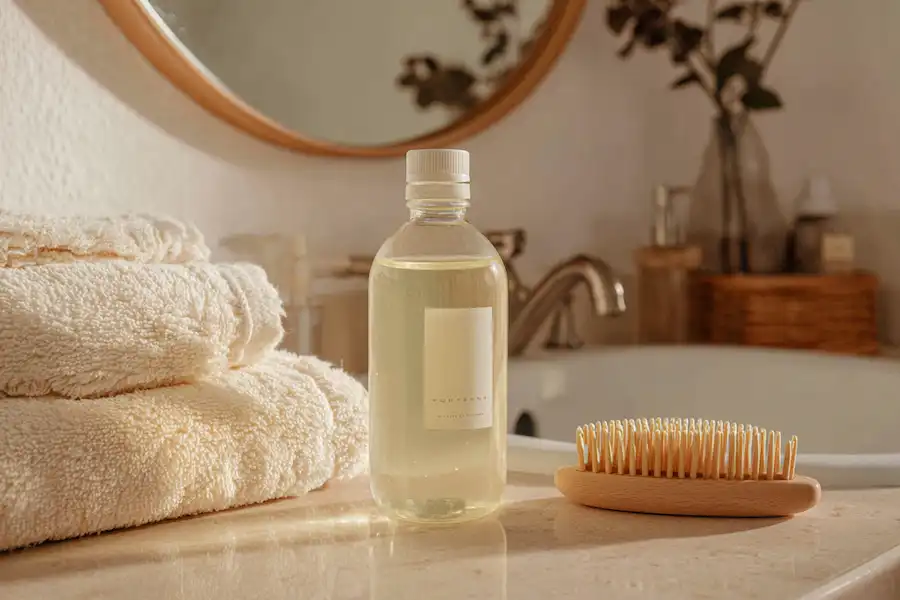
Disclaimer: Although generally safe, always do a patch test before using fermented rice water on your skin or scalp. If you have sensitive skin or existing conditions, consult a dermatologist.