The Tropical-Tasting Tree with Powerful Cellular and Digestive Support
Disclaimer
This article is for informational and educational purposes only. It does not constitute medical advice, diagnosis, or treatment. Always consult a qualified healthcare professional before using any plant for health-related purposes, especially if you are pregnant, breastfeeding, have a medical condition, or are taking prescription medications.
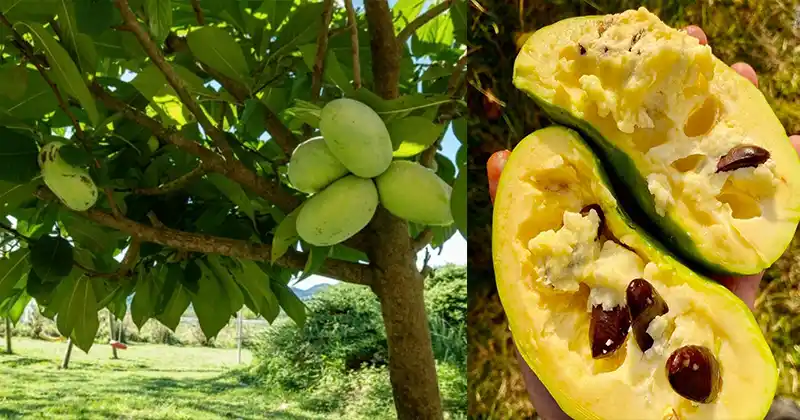
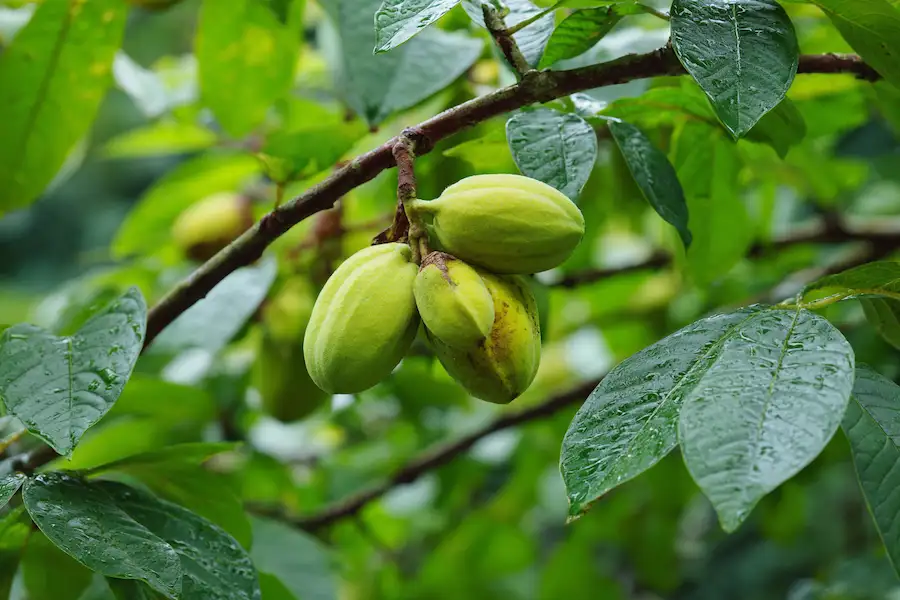
Common pawpaw, widely known as pawpaw, and scientifically identified as Asimina triloba, is a unique fruit-bearing tree native to North America. While its creamy, tropical-flavored fruit is the most familiar part, other parts of the plant have drawn attention for their potent bioactive compounds. Pawpaw stands out for its strong influence on cellular processes, digestive health, and metabolic balance, making it one of the most biologically active native trees when used with respect and caution.
Main Powers and Uses
1. Cellular Defense and Anti-Cancer Potential
One of the most significant properties of common pawpaw lies in its naturally occurring acetogenins. These compounds are biologically active and are known for their ability to influence abnormal cellular energy pathways.
These substances:
- Interfere with the energy production of damaged or abnormal cells
- Support the body’s natural mechanisms for controlling unwanted cell growth
- Help protect healthy cells by reducing oxidative stress
This targeted cellular activity is the reason pawpaw has gained attention for its potential role in supporting the body’s internal defense systems. Because of this potency, pawpaw must be approached with care and moderation.
2. Digestive Support and Nutrient Absorption
The ripe fruit of the pawpaw is rich in natural enzymes, fiber, and bioavailable nutrients that support digestion.
Its digestive benefits include:
- Encouraging regular bowel movements
- Supporting gut-friendly bacterial balance
- Improving nutrient absorption due to its soft, easily digestible texture
The fruit’s gentle action makes it suitable for individuals with sensitive digestion when consumed in moderate amounts.
3. Metabolic and Energy Balance
Pawpaw fruit provides natural carbohydrates alongside essential vitamins and minerals that support energy production. Unlike heavily processed sugars, these natural sugars are accompanied by fiber and micronutrients, promoting steadier energy release.
Additionally, certain compounds in the plant support metabolic efficiency by helping the body utilize nutrients more effectively.
4. Antioxidant Protection
Common pawpaw contains antioxidants that help neutralize free radicals in the body. This antioxidant activity contributes to:
- Cellular protection
- Reduced oxidative stress
- Support for long-term tissue health
These effects complement its role in maintaining internal balance and resilience.
5. Immune System Support
Through its nutrient density and antioxidant content, pawpaw supports immune function by supplying the body with compounds necessary for normal immune response and recovery.
Homemade Ways to Use Common Pawpaw
1. Fresh Fruit Consumption
Fully ripe pawpaw fruit can be eaten fresh by scooping out the flesh. It is best consumed in small portions due to its richness and potency.
2. Pawpaw Puree
The ripe flesh can be blended into a smooth puree and used immediately or frozen in small portions. This form allows controlled intake and easy incorporation into meals.
3. Gentle Digestive Blend
A small amount of pawpaw pulp can be mixed with warm water or added to soft foods to support digestion, especially for those with sensitive stomachs.
4. Traditional External Use
Historically, certain non-edible parts of the plant were used externally only. These uses should never be attempted internally and require careful handling.
Safety and Precautions
- Only the ripe fruit pulp is suitable for internal consumption.
- Seeds, bark, leaves, and unripe fruit contain potent compounds and should not be consumed internally.
- Overconsumption of ripe fruit may cause nausea or digestive upset.
- Avoid use during pregnancy or breastfeeding.
- Individuals with neurological conditions or those sensitive to strong bioactive compounds should consult a healthcare professional before consumption.
- Always ensure proper identification and maturity of the fruit before use.