The Power of Plantago Major Oil: Nature’s Skin-Repair Specialist
⚠️ Disclaimer
This article is for educational purposes only. While plantain is generally considered safe for topical use, always test a small area of skin first. Do not apply to deep wounds without medical supervision. If symptoms worsen or infection appears, seek professional medical care.
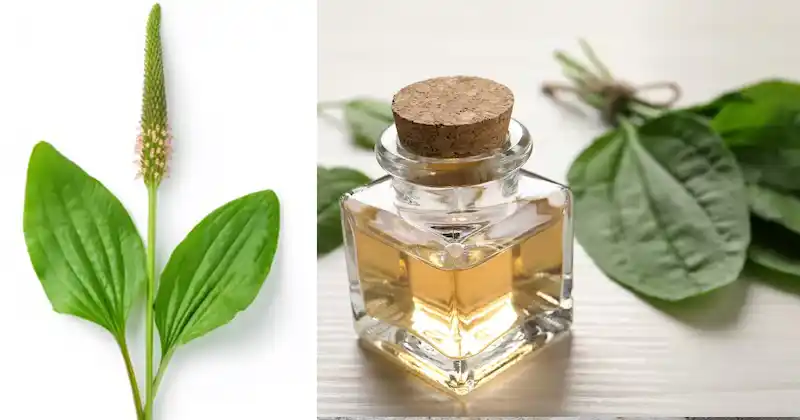
When most people see Plantago major, they think “weed.” But those broad, ribbed leaves growing along sidewalks, lawns, and forest paths hide one of the most powerful skin-healing secrets in traditional herbal practice.
In short, broadleaf plantain oil is a true skin specialist. Its strength lies in its ability to soothe inflammation, fight harmful microbes, accelerate tissue repair, and physically draw unwanted substances out of the skin.
Let’s break down exactly what makes this oil so powerful — and how you can make it at home.
1️⃣ The Famous “Drawing” Effect
One of plantain’s most respected qualities is its ability to draw. Traditionally classified as a vulnerary (wound-healing herb) and drawing herb, it helps pull foreign material, venom, and deep impurities toward the surface.
✦ Splinters and Tiny Glass Fragments
Plantain oil softens tissue and encourages the body to push out embedded debris. When applied regularly and covered with a bandage, it can help the skin naturally “eject” small splinters.
✦ Bee Stings & Spider Bites
It helps draw out venom while calming swelling and throbbing. The anti-inflammatory compounds reduce redness and discomfort.
✦ Boils & Clogged Pores
Plantain oil can support the maturation and drainage of deep skin congestion, helping the body clear out trapped impurities.
2️⃣ Rapid Skin Repair & Cell Regeneration
One reason plantain oil works so well is because it contains allantoin — a compound known to stimulate cell growth and accelerate skin repair.
✦ Scrapes & Road Rash
It helps seal the skin and supports faster scab formation while minimizing irritation.
✦ Minor Cuts
Plantain oil encourages tissue regeneration and reduces the chance of prolonged healing.
✦ Sunburn Relief
It “pulls the heat” out of burns, calms redness, and may reduce peeling by supporting damaged skin.
✦ Cracked & Chapped Hands
Perfect for people who work outdoors or wash their hands frequently. It deeply nourishes and helps restore broken skin barriers.
3️⃣ Anti-Itch & Anti-Inflammatory Support
Plantain acts almost like a natural antihistamine for the skin.
✦ Poison Ivy & Oak Reactions
It helps calm the inflammatory response and soothe irritation caused by urushiol oils.
✦ Eczema & Psoriasis Flares
While not a cure, it helps calm redness, dryness, and the “burning” sensation associated with flare-ups.
✦ Mosquito Bites
Reduces swelling and can stop the itch reflex surprisingly fast.
✦ General Skin Irritation
Rashes, heat bumps, and minor allergic reactions often respond well to plantain oil.
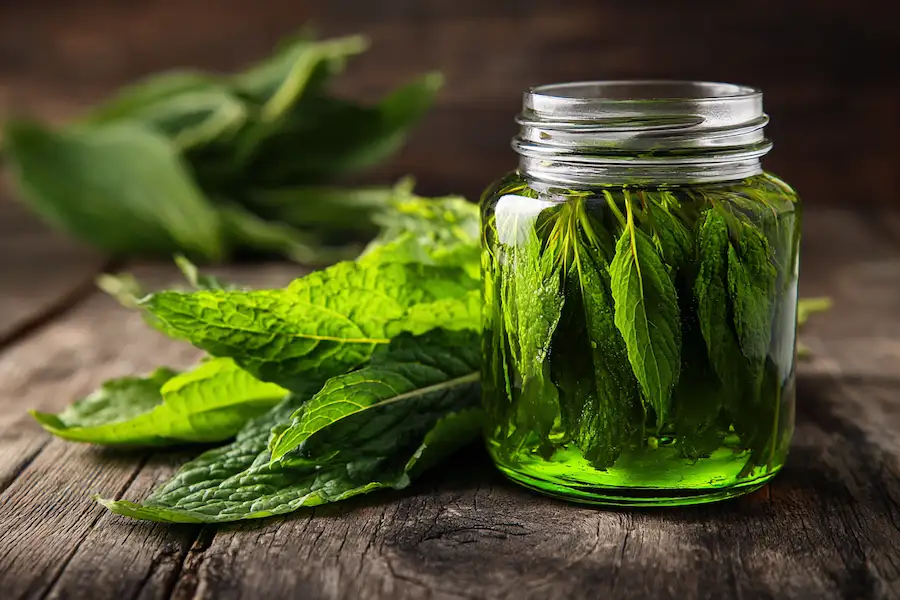
4️⃣ Mild Natural Antiseptic Protection
Plantain contains tannins and aucubin — compounds that provide gentle antimicrobial protection.
✦ Minor Cuts & Scratches
Applying plantain oil to clean skin creates a protective barrier while supporting healing.
⚠️ Important: Always clean the wound first. Because plantain helps seal skin efficiently, you do not want to trap dirt or bacteria underneath.
🌿 How to Make Plantago Major Oil at Home
Making plantain oil is simple and requires only two ingredients: fresh (or dried) plantain leaves and a carrier oil.
What You’ll Need:
- Fresh broadleaf plantain leaves (clean and pesticide-free)
- Carrier oil (olive oil, sweet almond oil, or sunflower oil)
- Glass jar with lid
- Cheesecloth or fine strainer
- Dark glass bottle for storage
Method 1: Cold Infusion (Slow & Powerful – Recommended)
Step 1: Harvest Carefully
Pick healthy leaves away from roads and pollution. Avoid yellowed or damaged leaves.
Step 2: Wilt the Leaves
If using fresh leaves, let them wilt for 12–24 hours to remove excess moisture. This prevents mold.
Step 3: Chop or Tear
Roughly chop the leaves to expose more surface area.
Step 4: Fill the Jar
Place leaves in a clean glass jar, filling it about ¾ full.
Step 5: Cover with Oil
Pour your chosen oil over the leaves until fully submerged. Stir gently to release air bubbles.
Step 6: Infuse
Seal and place in a warm, shaded area for 3–6 weeks. Shake gently every few days.
Step 7: Strain
After infusion, strain through cheesecloth and squeeze out every drop.
Step 8: Store
Transfer to a dark glass bottle and store in a cool place. Shelf life: about 6–12 months.
Method 2: Quick Warm Infusion (Faster Option)
- Place leaves and oil in a double boiler.
- Warm gently on very low heat for 2–3 hours.
- Do not overheat — keep below 40–45°C (104–113°F).
- Strain and store as above.
🌿 How to Use Plantain Oil
- Apply directly to minor wounds (after cleaning).
- Massage into irritated skin 2–3 times daily.
- Use as a base for homemade healing salves (add beeswax).
- Apply under a bandage for splinters or drawing purposes.
- Use as a soothing after-sun oil.
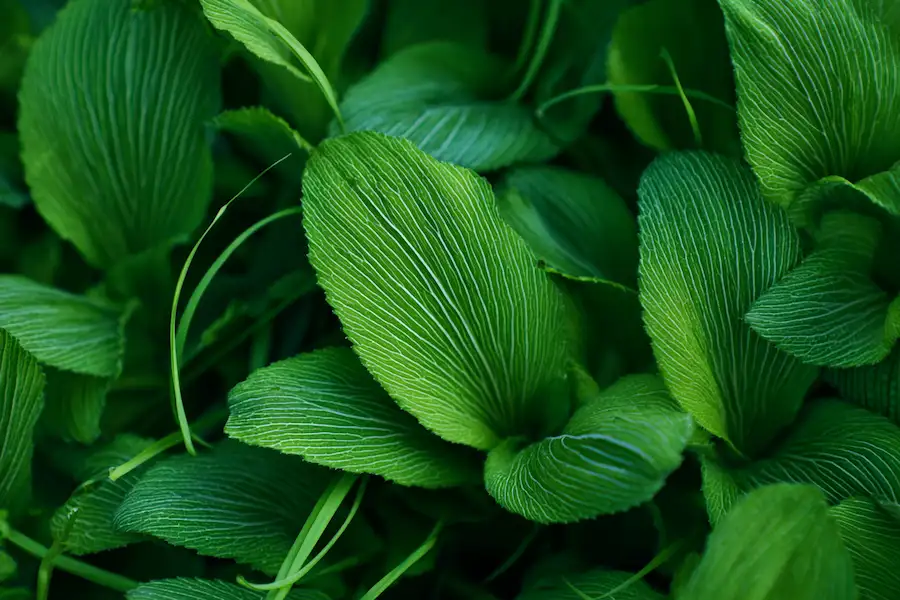
Broadleaf plantain oil is one of the most underrated skin remedies available in nature. It draws, repairs, protects, and calms — all in one simple herbal infusion.
It grows almost everywhere, costs nearly nothing to harvest, and has centuries of traditional use behind it. Once you start keeping a bottle in your home, you may find yourself reaching for it more often than any commercial skin product.