The Hidden Power of Bull Thistle Leaves: Benefits, Uses, and Ancient Wisdom
Bull thistle (Cirsium vulgare), often dismissed as a stubborn weed covered in prickly armor, hides a remarkable secret beneath its spines. Its leaves, though sharp to the touch, hold centuries of healing tradition and natural vitality. Known to herbalists for their ability to purify the blood, support the liver, and strengthen the body’s natural defenses, bull thistle leaves represent one of nature’s overlooked gifts.
1. Understanding Bull Thistle Leaves
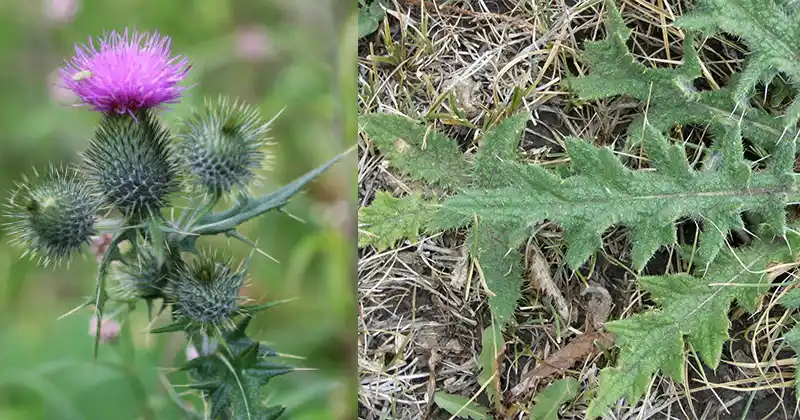
Bull thistle is a biennial plant, easily recognized by its spiny stems, purple flower heads, and deep green, lobed leaves lined with fine prickles. While the plant’s roots and seeds also have medicinal value, it is the leaves that contain a concentrated blend of beneficial compounds—flavonoids, polyacetylenes, tannins, and antioxidants—that give them their cleansing and restorative power.
When harvested young, before the spines harden, the leaves can even be used as a tonic or herbal infusion, offering a slightly bitter yet refreshing taste reminiscent of artichoke or dandelion greens.
2. The Main Health Benefits of Bull Thistle Leaves
1. Liver Detoxification and Support
Bull thistle leaves are known for their ability to help cleanse the liver. They act as a mild hepatic stimulant, encouraging bile production and aiding the removal of toxins from the body. Regular use of bull thistle leaf tea was once a common practice among traditional herbalists to rejuvenate a sluggish liver.
2. Blood Purification
The leaves help in cleansing the bloodstream, supporting the elimination of waste through the kidneys and skin. This property has made them a popular choice for those seeking natural ways to maintain internal balance and clarity.
3. Anti-inflammatory Properties
Bull thistle leaves contain natural anti-inflammatory compounds that may help ease swelling, joint stiffness, and minor aches. Traditionally, crushed leaves were applied as a poultice to reduce pain and inflammation on the skin.
4. Digestive Support
The mild bitterness of bull thistle leaves stimulates digestive juices, helping improve appetite and nutrient absorption. This effect can be particularly beneficial for those recovering from illness or fatigue.
5. Natural Diuretic Action
The leaves promote gentle urination, helping the body remove excess fluids and salts. This natural diuretic property assists in detoxifying the kidneys and supporting urinary tract health.
6. Immune System Strengthening
With their rich antioxidant content, bull thistle leaves may help strengthen the immune system, offering protection against oxidative stress and environmental toxins.
7. Skin Health and Wound Care
Traditionally, poultices made from bull thistle leaves were used to treat cuts, boils, and insect bites. Their mild antiseptic properties help cleanse wounds and promote healing.
8. Energy and Vitality Restoration
In folk medicine, bull thistle leaves were valued for their ability to boost vitality and support recovery from weakness, likely due to their mineral content and toning effect on the body’s systems.
3. How to Use Bull Thistle Leaves
• Tea or Infusion
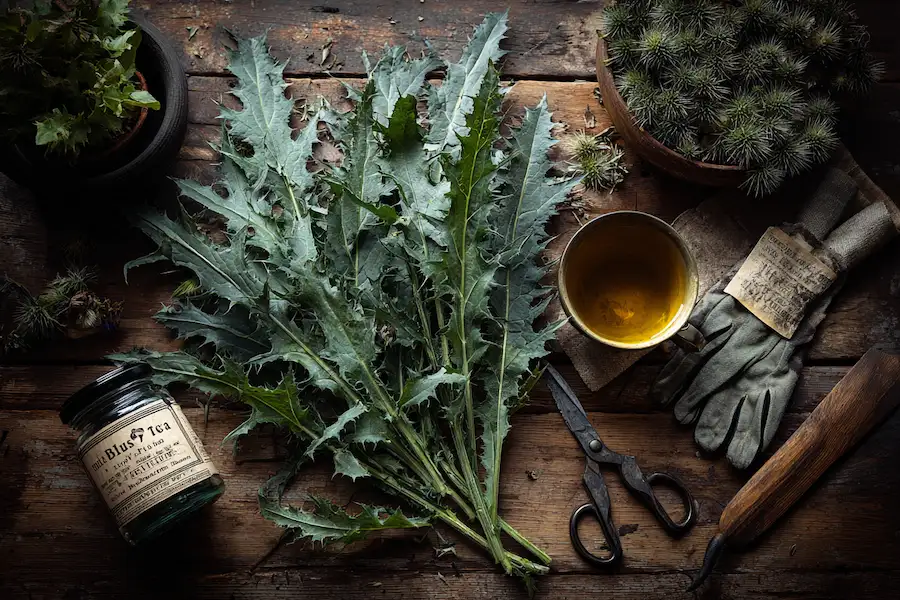
To make bull thistle leaf tea, harvest young, tender leaves (preferably before flowering), rinse them thoroughly, and dry them in a shaded, well-ventilated area. Once dried, steep 1–2 teaspoons of crushed leaves in hot water for 10–15 minutes. Drink one cup daily to support digestion and detoxification.
• Poultice or Compress
For topical use, fresh leaves can be gently bruised or crushed and applied directly to the skin over insect bites, bruises, or swelling. If the spines are too sharp, boil the leaves briefly to soften them before use.
• Powder or Capsules
Dried bull thistle leaves can be ground into a fine powder and encapsulated. Some herbalists use this method for easier consumption, especially when the taste is too bitter.
• Culinary Uses (with Caution)
In some traditional recipes, the young leaves—after careful removal of the spines—were eaten raw or lightly cooked, similar to spinach. They add a mildly bitter, earthy flavor and are considered nutrient-rich.
4. Harvesting and Preparation Tips
- Harvest only young leaves, ideally in the plant’s first year, before the stalk hardens.
- Use gloves and scissors to avoid the spines.
- Dry leaves in a clean, shaded place to preserve their beneficial oils.
- Store the dried leaves in an airtight container, away from sunlight.
- Avoid overuse—moderation ensures the best effects without irritation.
5. Traditional Beliefs and Modern Curiosity
In European folk medicine, bull thistle was regarded as a protector and cleanser—a plant that helped the body rid itself of what no longer served it. It was also seen as a symbol of resilience, surviving in poor soil where other plants struggled. Today, herbal enthusiasts are rediscovering these traditional uses and studying bull thistle’s potential for modern wellness, particularly in liver health and natural detox.
6. Safety and Precautions
While bull thistle leaves are natural, that doesn’t mean they’re suited for everyone. Their bitterness can be intense, and excessive consumption may cause digestive discomfort. Always ensure correct plant identification, as some thistle species look similar but differ in potency and safety. Pregnant or breastfeeding women, and individuals with chronic conditions, should consult a qualified healthcare professional before use.
The humble bull thistle leaf is far more than a spiny nuisance—it’s a potent symbol of endurance and natural healing. With its detoxifying, strengthening, and cleansing powers, it has earned its place among nature’s overlooked medicinal treasures. Whether brewed into a tea, applied to the skin, or simply admired in the wild, bull thistle reminds us that even the most rugged plants can hold gentle strength within.
Disclaimer
This article is for informational purposes only and should not be taken as medical advice. Bull thistle leaves and preparations should be used responsibly and with proper identification. Always consult a healthcare professional before using any wild plant or herbal remedy, especially if you are pregnant, nursing, or taking medications.