The Complete Guide to Foraging, Preparing, and Using Mulberry Leaves
While mulberry trees are famous for producing sweet summer berries, their leaves hold even greater value for year-round health. For centuries, mulberry leaves have been harvested across Asia and Europe to make therapeutic teas, foods, and herbal remedies. Modern research confirms that these abundant leaves contain natural powers that support blood sugar balance, heart health, and daily vitality.
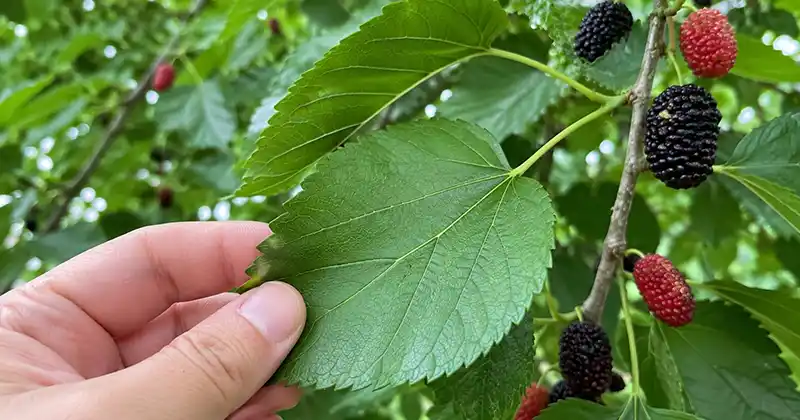
Learning how to identify, forage, and process mulberry leaves allows anyone to take full advantage of this free, natural resource.
The Health Powers of Mulberry Leaves
The leaves of the mulberry tree are packed with active plant compounds that benefit human health:
- Blood Sugar Regulation: Mulberry leaves contain a rare natural compound called 1-deoxynojirimycin (DNJ). This compound slows down enzymes in your digestive tract that break down complex carbohydrates into simple sugars. Drinking mulberry leaf tea before or during meals helps prevent post-meal blood sugar spikes.
- Cardiovascular Support: Antioxidants like rutin and quercetin help prevent the oxidation of cholesterol in your bloodstream. Regular consumption helps lower “bad” LDL cholesterol and triglycerides while supporting healthy “good” HDL cholesterol levels.
- Nutrient Density: The leaves provide high levels of essential minerals, including calcium, iron, potassium, magnesium, and zinc, along with vitamins A and C.
- Anti-Inflammatory Protection: Polyphenols neutralize free radicals throughout the body, reducing internal chronic inflammation and supporting immune defense against seasonal illnesses.
- Digestive and Skin Soothing: Natural plant mucilage supports healthy digestion, while the leaf’s natural antibacterial compounds help clear skin blemishes when applied topically.
Foraging Guide: Finding the Best Trees and Avoiding Dangers
Not all mulberry trees are equal when harvesting leaves for consumption. Knowing where and what to pick ensures safety and quality.
Identifying the Best Trees:
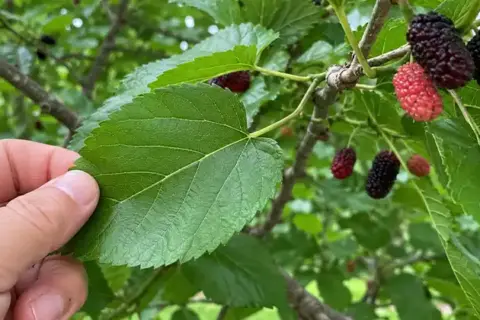
- White Mulberry (Morus alba) and Black Mulberry (Morus nigra): Both species yield excellent leaves for tea and cooking. White mulberry leaves are smooth and glossy, while black mulberry leaves are larger, rougher, and darker green.
- Red Mulberry (Morus rubra): Native to North America, red mulberry leaves are rough on top and slightly hairy underneath, making them equally suitable for herbal use.
- Ideal Leaf Quality: Select young, bright green leaves that have fully expanded. The best time to harvest is mid-spring through early summer, before leaves become tough or fibrous.
Trees and Locations to Avoid:
- Roadside and Industrial Trees: Never forage from trees growing near busy highways, industrial zones, or urban parking lots. Mulberry leaves absorb heavy metals, exhaust fumes, and pollution.
- Chemically Treated Areas: Avoid trees in manicured lawns, public parks, or agricultural edges sprayed with chemical pesticides or weed killers.
- Infected or Damaged Leaves: Do not harvest leaves displaying yellowing, dark mold spots, white powdery mildew, or heavy insect damage.
- Raw Milky Sap Precautions: Snapping a fresh mulberry stem produces a sticky, milky white latex sap. In large raw amounts, this sap can cause mild stomach upset or skin irritation. Boiling or steeping the leaves completely neutralizes these compounds, making them entirely safe to consume.
Detailed Preparation Methods: How to Use the Leaves
To release the health benefits of mulberry leaves, they must be properly prepared. Below are step-by-step instructions for five versatile homemade preparations.
Step 1: Harvesting and Cleaning Protocol
- Cut healthy, bright green leaves from the tree using clean kitchen shears.
- Submerge the leaves in a bowl filled with cool water to wash away dust, pollen, and insects.
- Rinse the leaves a second time under running cold water.
- Pat the leaves thoroughly dry using clean cotton towels before proceeding.
Method 1: Brewed Fresh or Dried Mulberry Leaf Tea
- Tear 4 to 6 clean fresh leaves into smaller pieces, or use 1 to 2 teaspoons of crushed dried leaves.
- Place the leaves into a heat-safe mug or teapot.
- Pour 8 ounces (240 mL) of boiling water directly over the leaves.
- Cover the mug with a small saucer to trap beneficial steam and steep for 8 to 10 minutes.
- Strain out the leaves and drink the warm liquid plain, ideally 10 to 15 minutes before a meal.
Method 2: Homemade Dried Mulberry Leaf Powder
- Spread clean leaves in a single layer on towel-lined baking sheets or a dehydrator tray.
- Air-dry them in a warm room out of direct sunlight for 3 to 5 days until the leaves crumble easily when touched.
- Place the dried leaves into a clean spice grinder or blender.
- Blend until the leaves turn into a fine green powder.
- Store the powder in an airtight glass jar in a cool, dark cabinet. Stir half a teaspoon into daily oatmeal, smoothies, or soups.
Method 3: Blanched and Sautéed Culinary Greens
- Bring a pot of lightly salted water to a rolling boil.
- Drop tender young mulberry leaves into the boiling water and cook for 3 to 4 minutes to soften their texture and remove bitter sap.
- Transfer the leaves immediately into a bowl of ice water to stop cooking.
- Drain and squeeze out excess water with your hands.
- Sauté the blanched leaves in a skillet with olive oil, garlic, and a pinch of salt for 2 minutes. Serve as a warm side dish.
Method 4: Traditional Herbal Mulberry Jelly
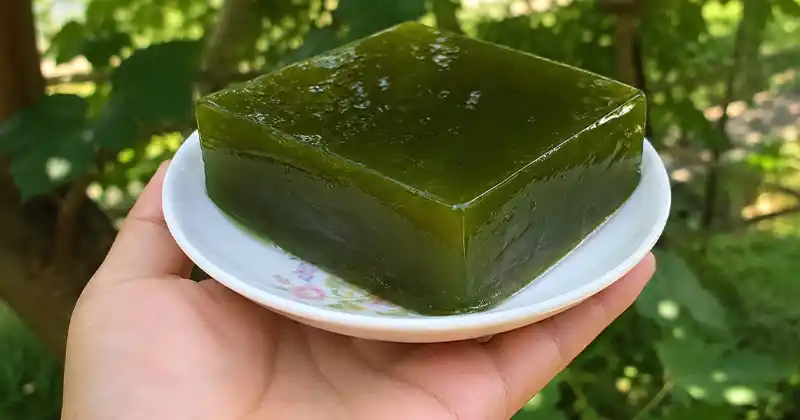
- Blend 2 cups of fresh mulberry leaves with 3 cups of cold water until smooth.
- Strain the liquid through a fine mesh strainer or cheesecloth, squeezing firmly to extract juice while removing fiber.
- Pour the green liquid into a saucepan and add 1.5 teaspoons of agar-agar powder or unflavored gelatin.
- Bring to a gentle simmer over medium heat, stirring constantly for 3 to 5 minutes until fully dissolved.
- Pour into small glass dishes and refrigerate for 2 hours until set into a smooth jelly.
Method 5: Topical Soothing Wash and Skin Compress
- Brew a strong tea by steeping 8 to 10 fresh mulberry leaves in 1 cup of boiling water for 15 minutes.
- Allow the liquid to cool down completely to room temperature.
- Soak a clean cotton pad or cloth in the cooled liquid.
- Press the damp cloth gently against irritated skin or acne patches for 10 minutes to soothe redness.
Storage and Safety Guidelines
- Proper Storage: Whole dried leaves and ground powder maintain full potency for up to 12 months in airtight glass containers kept away from heat and direct sunlight.
- Usage Frequency: Drinking 1 to 3 cups of mulberry leaf tea daily is generally safe and well-tolerated.
- Medical Precautions: Because mulberry leaf compounds lower blood sugar levels, individuals taking prescribed diabetes medications should monitor their blood glucose closely.
Integrating mulberry leaves into your routine is a practical, cost-free way to use natural plant medicine. Whether harvested fresh in spring or stored as a powder for winter brewing, these simple leaves offer safe and powerful support for daily health.