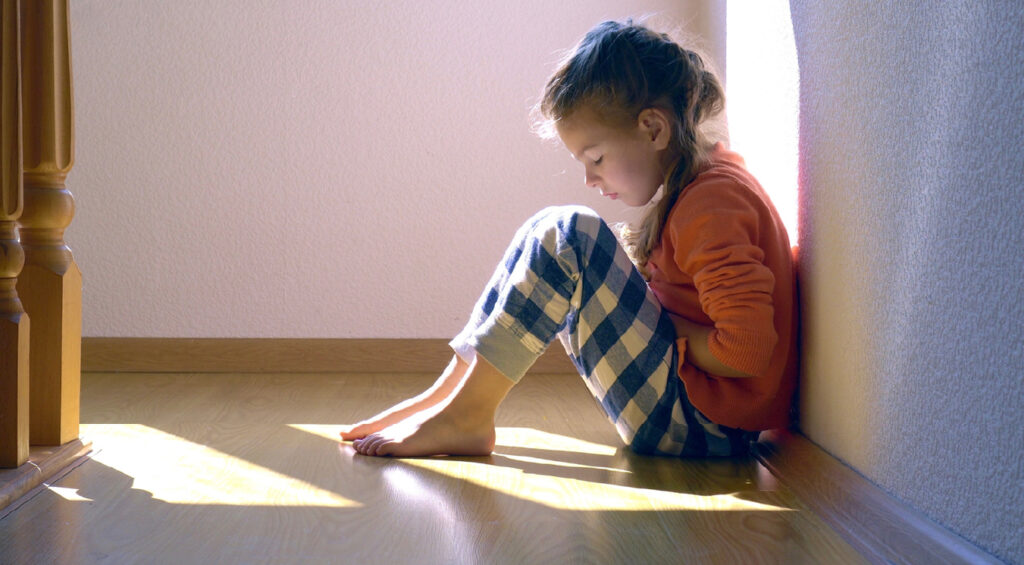
Learn to see the signs that children send when they are mistreated
Children rarely have the courage or level of understanding to report abuse. They usually manifest it through changes in their behavior.
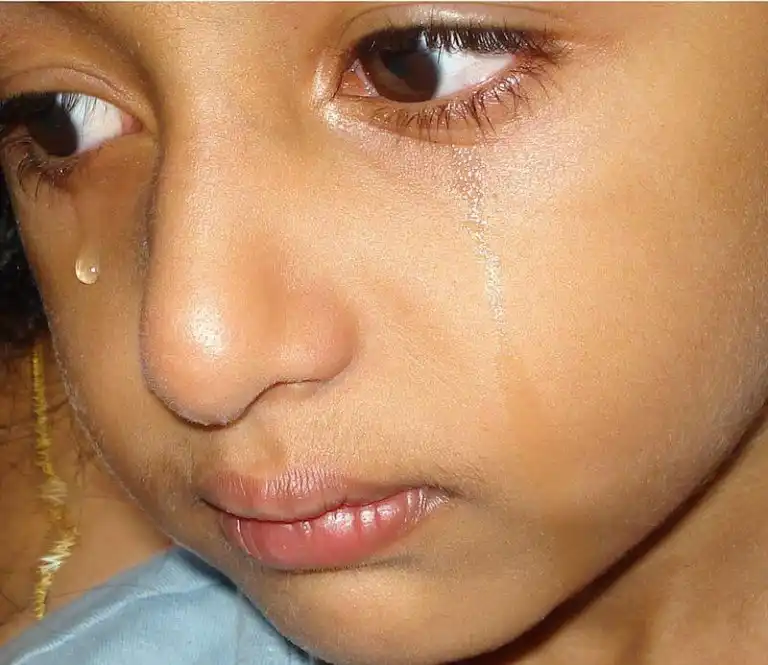
To detect possible abuse in children, it is vital to observe warning signs such as the following :
- Lack of interest in friends or usual activities.
- Changes in behavior becoming aggressive, hostile or hyperactive.
- Changes in school performance.
- Symptoms of depression, anxiety, or unusual fears.
- Sudden loss of self-confidence.
- Apparent lack of supervision.
- Frequent absences from school.
- Refusal to ride the school bus.
- Attempts to run away.
- Rebellious or defiant behaviors.
- Suicide attempts.
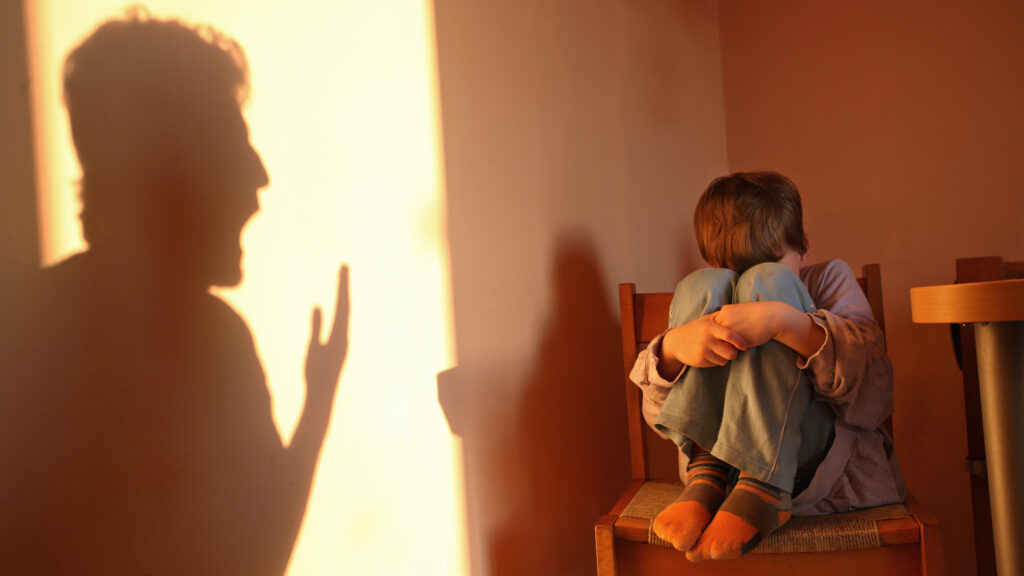
Signs of physical abuse
- Unexplained injuries such as bruises, fractures, or burns.
- Lesions that do not agree with the explanation given.
- Untreated medical or dental problems.
Signs of sexual abuse
- Sexual behavior or knowledge inappropriate for the child’s age.
- Sexually transmitted disease.
- Blood on underwear.
- Difficulty walking or sitting.
- Complaints of genital pain.
- Abuse of other children sexually.
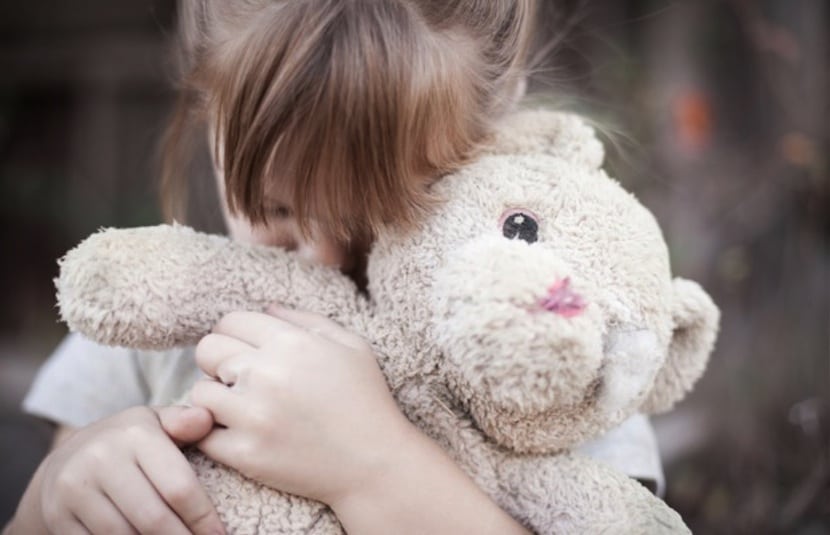
Signs of emotional abuse
- Delayed emotional development or inappropriate emotional development.
- Loss of self-confidence or lack of self-esteem.
- Social isolation.
- Loss of interest or enthusiasm.
- depression.
- Headaches or stomach aches with no medical cause.
- Running away from certain situations like refusing to go to school or riding the bus.
- Desperate search for affection.
- Decline in school performance or loss of interest in school.
- Loss of previously acquired developmental skills.
Signs of neglect and lack of care
- Poor growth or weight gain.
- Bad hygiene.
- Lack of clothing or supplies to meet physical needs.
- Taking food or money without permission.
- Eating a large amount of food at one time, or stashing food for later.
- He attends little school.
- Lack of adequate care for medical, dental, or psychological problems.
- Emotional swings that are inappropriate or out of context.
- indifference.
The behavior of the parents
- Shows little interest in the child.
- Seems incapable of acknowledging the child’s physical or emotional distress.
- Denies that there are problems at home or school, or blames the child for the problems.
- Constantly blames, belittles, or scolds the child.
- Describe the child in negative terms.
- He expects the child to attend to him and is jealous that other members of the family get the attention of the child.
- Uses harsh physical discipline or asks teachers and caregivers to use it.
- Requires an inadequate level of physical or academic performance.
- Severely limits the child’s contact with others.
- Offers contradictory or unconvincing explanations for a child’s injuries.