Essential Rose Bush Care Tasks to Tackle in Winter (December–February)
Roses are among the most common and loved plants in American gardens. They are tough, long-living, and capable of producing spectacular blooms year after year — but only if they receive proper care during the quiet winter months.
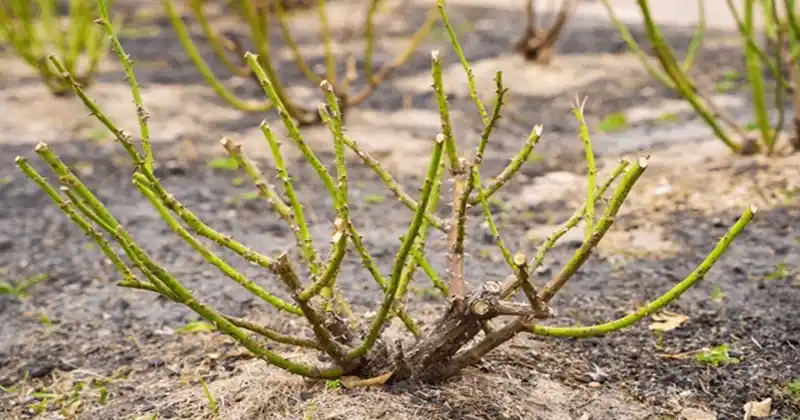
While roses appear inactive in winter, what you do between December and February plays a major role in how healthy, strong, and productive they will be in spring and summer. This is the season to protect them from cold, correct small problems, and prepare the soil and structure of the plant before new growth begins.
Here are the most important winter care tasks every rose owner should know.
1. Prune Dead, Damaged, and Weak Canes
Why it matters:
Winter pruning improves air circulation, reduces disease risk, and directs the plant’s energy into strong new growth instead of weak or damaged wood.
When to do it:
- Light pruning: December–January
- Main pruning: late January to February (before buds swell)
What to remove:
- Dead or blackened canes
- Broken or rubbing branches
- Thin, weak growth
- Any stems growing toward the center of the bush
How to prune:
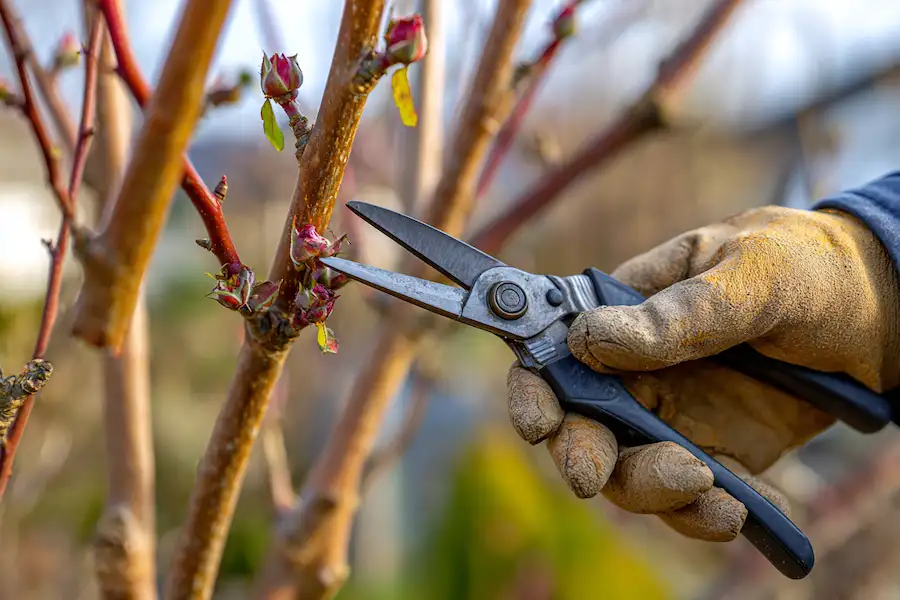
- Use clean, sharp shears
- Cut about ¼ inch above an outward-facing bud
- Angle cuts slightly to shed water
- Avoid heavy pruning if extreme cold is expected
This creates a stronger structure and prevents overcrowding when growth resumes.
2. Protect Rose Bushes From Winter Cold
Best timing: late fall to early winter
Still useful: December through January (and early February in colder regions)
Cold protection is most effective when applied early, but winter conditions in many parts of the US remain harsh well into January and February. Reinforcing protection later is often necessary, especially after snow melts or mulch washes away.
What to do:
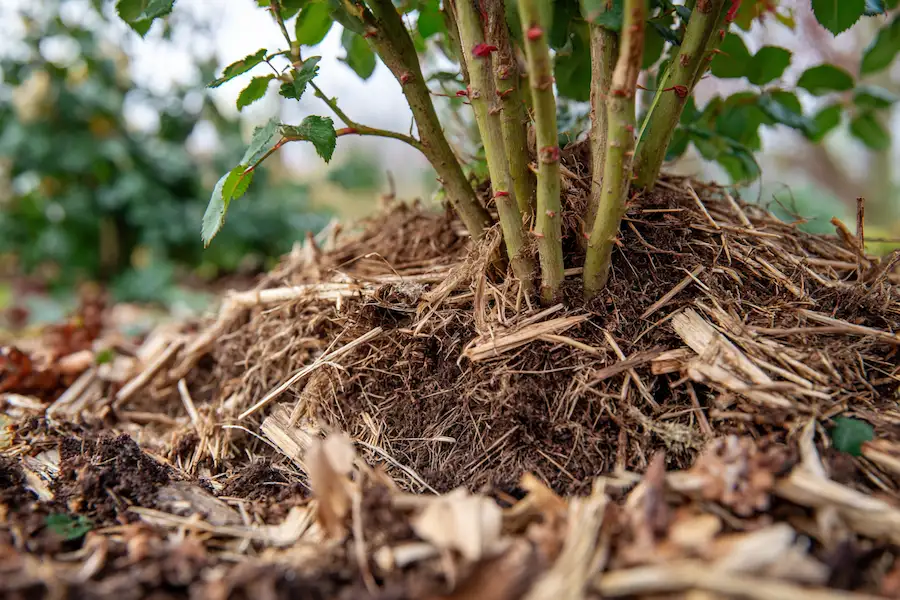
- Mound 4–8 inches of soil or compost around the base
- Add mulch (wood chips, straw, shredded leaves, or bark) on top
- Focus on covering the graft union (the swollen area near the base)
- Avoid plastic covers that trap moisture
This insulation protects roots from freeze–thaw cycles, which are more damaging than steady cold.
3. Clean Up the Area Around the Plant
Old leaves and debris may look harmless, but they are one of the main sources of spring disease.
Winter cleanup should include:
- Removing fallen leaves
- Clearing weeds
- Disposing of any diseased plant material
- Lightly loosening compacted surface soil
This reduces fungal problems such as black spot and rust and removes hiding places for overwintering pests.
4. Inspect for Pests and Dormant Disease
Many rose pests survive winter quietly on stems and in soil.
Check for:
- Aphid eggs
- Spider mite residue
- Scale insects
- Black or spotted canes
- Mold or fungal discoloration
If needed, winter is a good time to apply:
- Dormant oil spray
- Mild fungicide treatments (only if disease was severe the previous year)
Early control prevents major infestations later.
5. Prepare the Soil and Plan Spring Feeding
Roses are heavy feeders, and healthy soil makes a huge difference in bloom quality.
During winter you can:
- Add compost or aged manure to the topsoil
- Improve drainage if water pools around roots
- Test soil pH (ideal range: slightly acidic to neutral)
- Plan fertilizer for early spring (March–April)
Avoid high-nitrogen fertilizer in winter, which can stimulate weak growth too early.
Winter Rose Care Checklist (Dec–Feb)
✔ Remove dead and weak canes
✔ Protect roots with soil and mulch
✔ Clean debris around bushes
✔ Inspect for pests and disease
✔ Improve soil and prepare spring nutrition
Winter may look like a resting season, but for rose bushes it is actually a foundation-building period.
A little attention between December and February can mean:
- fewer diseases
- stronger growth
- better shape
- and dramatically more flowers
Whether you grow roses for beauty, fragrance, or tradition, these simple winter tasks help ensure your garden rewards you when spring returns.