The Surprising Power of Maple Seeds
Every spring, sidewalks and lawns become covered in tiny, winged pods spinning to the ground. Most people know them as “helicopters,” “whirlybirds,” or samaras. While they are a fun childhood memory for many, these maple seeds are actually an overlooked, edible resource. If you have ever wondered what is inside those spinning pods, you might be surprised to learn that they hold a nutritious, easily accessible food.
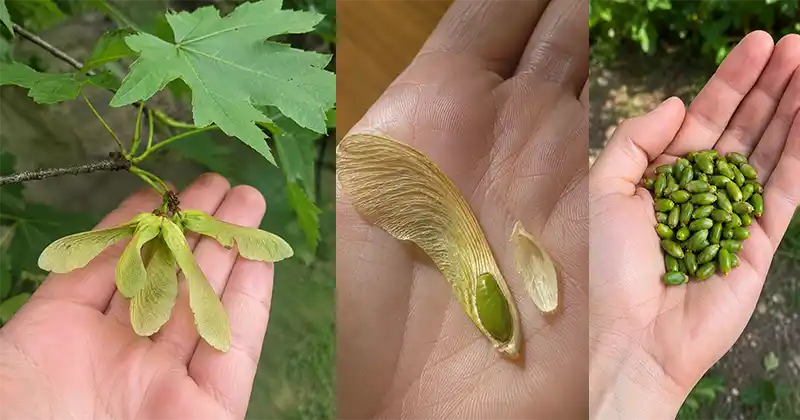
Understanding how to identify, forage, and prepare maple seeds can turn a common yard tree into a valuable food source. Here is everything you need to know about the power of maple helicopters and how you can use them at home.
The Power of Maple Seeds
Maple seeds are more than just tree seeds; they are a small but mighty source of nutrition. For centuries, foragers and survivalists have recognized their value because they grow in immense abundance.
Here is why maple seeds are considered a powerful wild food:
- High in Protein: Like many tree nuts and seeds, the pod inside the maple helicopter contains a good amount of protein to keep your energy levels up.
- Essential Fatty Acids:They provide healthy fats, including Omega-3, Omega-6, and Omega-9, which are necessary for overall health.
- Widespread Abundance: Unlike rare wild berries or mushrooms, maple trees produce thousands of seeds at a time, making them incredibly easy to harvest in large quantities.
- Survival Value:Because they can be dried and stored, they have historically served as a reliable survival food that can be kept for the harsh winter months.
Safety First: Knowing Your Maples
While the majority of maple seeds are perfectly safe for humans to eat, you cannot just eat every single helicopter you find on the ground. Safety and proper identification are important.
Safe Maple Varieties:
- Sugar Maples: Known for their sweet sap, their seeds are also among the most delicious.
- Red Maples:Very common and safe for humans, though the seeds can sometimes be a bit tart.
- Silver Maples: Produce large amounts of edible seeds that are great for roasting.
- Norway Maples: Commonly found in urban areas and perfectly safe for human consumption.
Maples to Avoid:
- Sycamore Maple (Acer pseudoplatanus):The seeds and seedlings of this tree contain a toxin called hypoglycin A.
- Box Elder or Ash-Leaved Maple (Acer negundo): This species also contains the same toxin.
- Why avoid them? Hypoglycin A is highly toxic to horses and livestock, often causing severe illness. While human poisoning from maple seeds is incredibly rare, this specific toxin is known to cause sickness in humans when consumed in high amounts from other plants. It is always best to stay entirely away from Sycamore and Box Elder seeds.
A Note on Digestion:
Like many raw nuts and seeds, maple seeds contain phytic acid. This is a natural compound that protects the seed in the wild but can cause stomach cramps or nausea if you eat too many raw. You can easily destroy the phytic acid by soaking, sprouting, or cooking the seeds before eating them.
Foraging: Green vs. Ripe Seeds
The taste and texture of your maple seeds depend entirely on when you pick them. Knowing the difference between early green seeds and late ripe seeds will dictate how you use them.
Green Seeds (Spring and Early Summer)
- Appearance: The pods are bright green, plump, and slightly damp inside.
- Flavor: These are the sweetest seeds. Many foragers compare their taste to fresh green peas or edamame.
- Harvesting:You can pluck them directly from the tree branches or pick up freshly fallen ones.
- Preparation:Green seeds are tender enough to be eaten raw right on the trail, or tossed fresh into a salad.
Ripe or Brown Seeds (Late Summer and Fall)
- Appearance: The outer wings turn brown, dry, and papery. The seed inside becomes slightly shriveled and hard.
- Flavor:As the seeds dry out, they develop a bitter taste.The larger the seed, the more bitter it usually gets.
- Harvesting: Gather them from the ground after they have naturally fallen.
- Preparation: Brown seeds are usually too bitter and tough to eat raw. They require boiling or roasting to improve their flavor and make them easily digestible.
The Soaking Trick:
No matter when you forage them, peeling the outer winged skin off hundreds of seeds can be tedious. To make this easier, place your gathered pods in a bowl of clean water for exactly one hour. The water softens the tough outer skin, allowing the inner seed to pop out with a gentle squeeze.
Traditional and Homemade Uses
Once you have gathered, soaked, and peeled your maple seeds, there are several traditional and homemade ways to turn them into a great meal or snack.
1. Boiling to Remove Bitterness
If you have harvested late-season seeds and they taste bitter, boiling is the traditional method used to sweeten them.
- Bring a pot of water to a rolling boil.
- Drop the peeled seeds into the water and boil for 15 minutes.
- Taste one. If it is still bitter, drain the water, add fresh water, and boil them again.
- Once softened and sweet, drain them and toss with butter, salt, and pepper for a simple side dish similar to boiled peas.
2. Roasting for a Crunchy Snack
Roasted maple seeds make a fantastic, crunchy alternative to pumpkin seeds or sunflower seeds.
- Preheat your oven to 350 degrees Fahrenheit.
- Take your peeled seeds and toss them in a bowl with a little bit of cooking oil.
- Spread them out in a single layer on a baking sheet.
- Sprinkle with your favorite seasonings, such as garlic salt, paprika, or cinnamon.
- Bake for 8 to 10 minutes until they are golden and crispy.
- Use them as a standalone snack, a crunchy salad topping, or a garnish for warm soups.
3. Drying and Grinding into Flour
For long-term storage, foragers dry maple seeds to use as a staple pantry item.
- Spread the peeled seeds out in the hot sun, place them in a food dehydrator, or bake them in an oven at the lowest possible temperature until they are completely dry and hard.
- Once dried, place the seeds into a food processor or use a traditional mortar and pestle to grind them into a fine powder.
- This maple seed powder can be used as a gluten-free flour substitute in baking recipes.
- You can also keep this powder in a jar to sprinkle into stews and gravies as a natural soup thickener, or mix it directly into mashed potatoes for a unique, earthy flavor.
With a little bit of effort, the thousands of helicopters falling in your yard can become a free, nutritious food source. Whether you eat them fresh off the tree in the spring or roast them for a crunchy autumn snack, maple seeds are an excellent and incredibly simple introduction to wild foraging.