Curled Dock: The Traditional Power of the Yellow Root
⚠️ This is for informational purposes only. For medical advice or diagnosis, consult a professional.
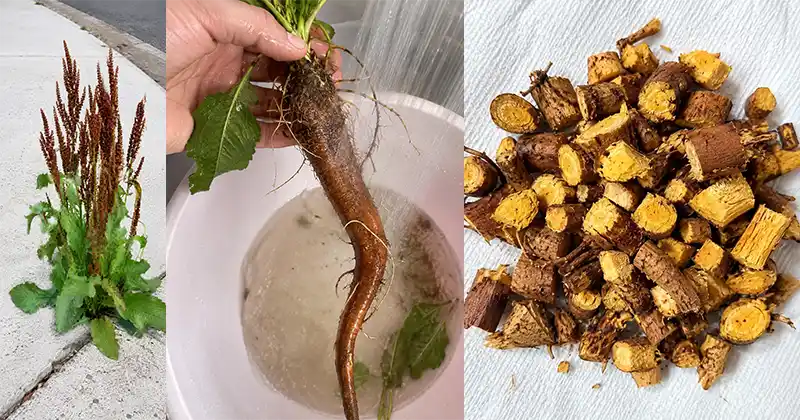
Curled dock, scientifically known as Rumex crispus, is a very common wild plant. Many people know it simply as yellow dock. While it often grows unnoticed in fields, yards, and along roadsides, traditional herbalists have valued it for centuries. The true power of this plant does not lie in its curly green leaves, but hidden underground in its thick, bright yellow root. For generations, people have harvested this root to make simple, effective home remedies.
The Power of the Root
If you dig up a curled dock plant and scrape the dark outer bark of its root, you will find a vibrant yellow-orange color inside. This color is a clear sign of the root’s active compounds. The root is extremely bitter, and in traditional herbal medicine, bitter plants are known to stimulate and support the body’s natural systems.
The main powers of yellow dock root include:
- Improving Digestion: The bitter taste signals the body to produce more digestive juices. This helps the stomach break down food more easily and absorb nutrients better.
- Supporting the Liver: Traditional remedies rely on yellow dock to help the liver do its job. It stimulates the production of bile, which the body uses to digest fats and clear out waste.
- Acting as a Gentle Laxative: The root contains natural compounds called anthraquinones. These gently stimulate the muscles of the intestines, making yellow dock a reliable homemade remedy for mild, occasional constipation.
- Clearing the Skin: Because it helps the liver and digestion flush out waste, herbalists have long used the root to treat skin problems from the inside out. It is commonly used for conditions like acne, eczema, and general skin irritation.
- Boosting Iron Absorption: Yellow dock is famous in old home remedies for treating mild anemia. While the root itself has some iron, its real power is helping the body pull iron from other foods and release stored iron from the liver.
Traditional Homemade Uses
Because the root is hard and bitter, it is not eaten as food. Instead, it is processed into natural medicines. Here is how it has been traditionally prepared at home:
- Root Tea (Decoction): This is the most common method. Because roots are tough, you cannot just steep them in hot water like tea leaves. Instead, the chopped dried root is gently boiled in water for 15 to 20 minutes to pull out the medicinal properties. The resulting liquid is very bitter, so people often take it in small amounts before meals to improve digestion.
- Alcohol Tincture: To preserve the root’s power for a long time, home herbalists soak the chopped root in strong alcohol for several weeks. The alcohol pulls the medicine out of the root. The liquid is then strained and taken in small drop doses.
- Healing Poultice: For direct skin healing, the fresh or dried root is crushed or powdered and mixed with a little warm water to form a paste. This paste is applied directly to minor cuts, rashes, or insect bites to reduce swelling and speed up healing.
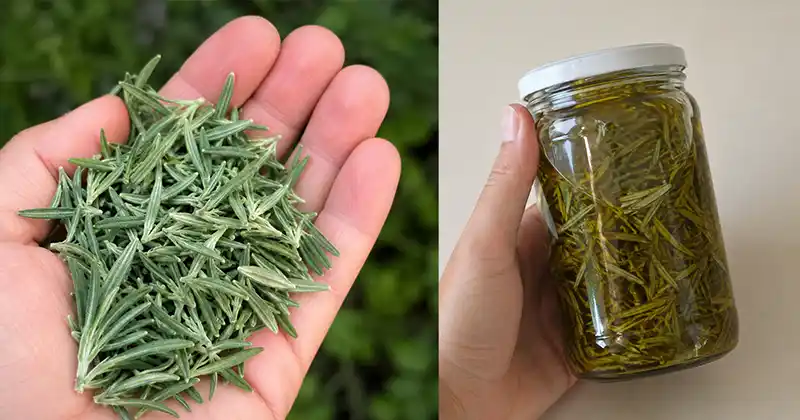
- Infused Oil and Salve: The dried root can be soaked in olive oil for several weeks. The medicated oil is then strained and mixed with melted beeswax to create a homemade skin cream.
Harvesting and Preparing the Root
If you want to use yellow dock at home, gathering and preparing the root is a simple process.
- When to dig: The best time to harvest the root is in the late fall after the top of the plant dies back, or in the early spring before the new leaves grow. This is when the plant’s energy is stored down in the root.
- How to clean: The roots are often large and deeply buried. Once dug up, they must be scrubbed very clean with water to remove all dirt.
- How to slice: Fresh roots are much easier to cut. They should be sliced into thin, small pieces right after cleaning.
- How to dry: The slices should be spread out on a screen or paper in a dry, warm place out of direct sunlight. Once they are completely hard and dry, they can be stored in a glass jar in a dark cupboard for up to a year.
Things to Keep in Mind
While yellow dock is a traditional and natural plant, it must be used with basic care:
- The root is a laxative, so taking too much can cause stomach cramps and diarrhea.
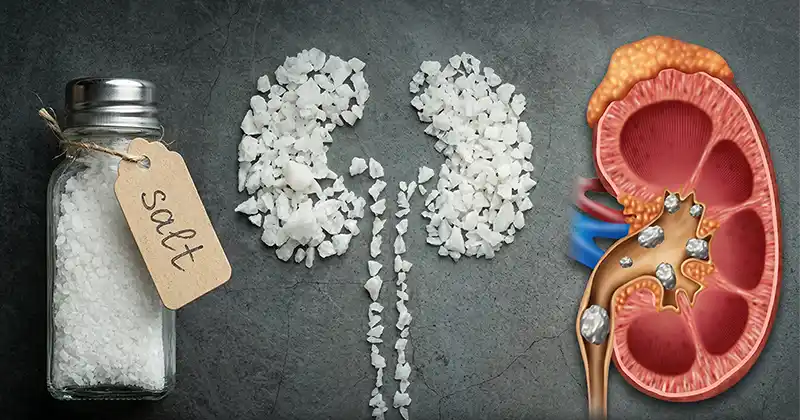
- The plant contains oxalic acid. People with a history of kidney stones should avoid using it heavily.
- It is always best to start with very small amounts to see how your body reacts to the bitter medicine.
Curled dock is much more than a common yard weed. Its bright yellow root holds a long history of safe, effective home use. By supporting the liver, aiding digestion, and helping clear the skin, yellow dock remains a powerful example of the natural medicine growing right outside our doors.